
Tiger lily
Lilium lancifolium Thunb.
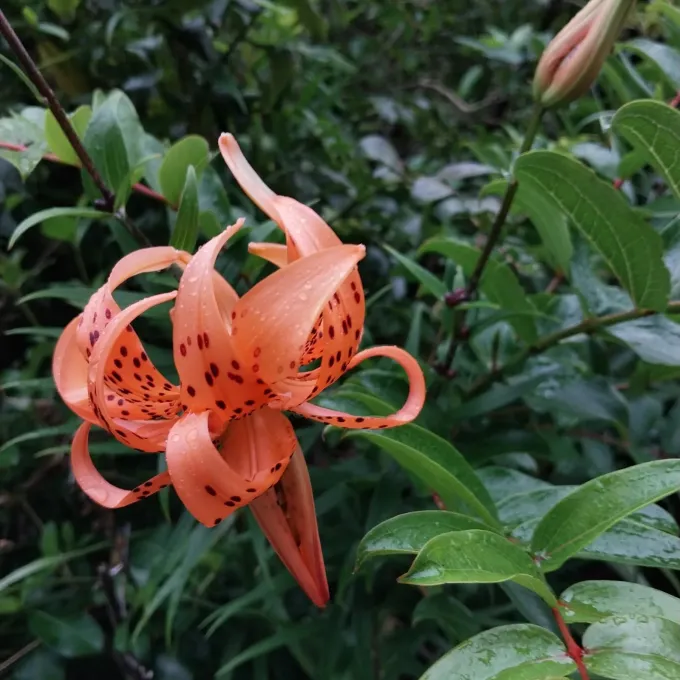
Description
Growing requirements
The tiger lily (Lilium lancifolium), a member of the Liliaceae family, is a distinct perennial plant native to Eastern Asia. It has become widely cultivated across the globe for its striking appearance and resilience.
The species thrives in well-drained, fertile soil that maintains a slightly acidic to neutral pH. Proper soil drainage is essential, as the bulbs are susceptible to rotting in waterlogged or heavy, clay-based substrates.
These plants prefer locations with full sun to partial shade. Ensuring that the base of the plant remains cool, often through the use of organic mulch or companion plantings, is a key aspect of successful lily management.
Cultural practices include providing consistent moisture throughout the growing season and applying balanced fertilizers during the early spring growth phase. The plant is noted for its exceptional winter hardiness.
A unique botanical characteristic of the tiger lily is the formation of bulbils in the leaf axils. These small aerial bulbs serve as a highly effective mechanism for natural propagation, distinguishing this species from many other lilies.
Main diseases and pests
The primary threats to Lilium lancifolium include fungal infections like botrytis (gray mold), which flourishes in humid conditions and can cause significant foliage damage if left unchecked.
Fusarium root rot is another major concern for growers, as it attacks the bulb's basal plate. This is often exacerbated by poor soil aeration and improper watering practices during the dormant season.
The scarlet lily beetle (Lilioceris lilii) poses a severe risk to the foliage. Both larvae and adults can defoliate the plant quickly, significantly reducing its vigor and overall aesthetic quality.
Viral diseases, such as lily mosaic virus, are incurable and usually transmitted by aphids. These infections lead to stunted growth and mottled leaves, necessitating the removal of affected bulbs.
Effective management strategies include maintaining good sanitation by removing garden debris, applying preventative fungicides, and inspecting plants regularly for early signs of pest infestation or disease.