
Longflower lily
Lilium longiflorum Thunb.
Description
Growing requirements
The longflower lily (Lilium longiflorum) belongs to the Liliaceae family. It is a perennial bulbous plant native to the Ryukyu Islands, southern Japan, and Taiwan.
The crop prefers a mild, humid climate with moderate temperatures. It is extremely sensitive to frost, which is why it is mostly grown in greenhouses or subtropical climate regions on an industrial scale.
Soils for successful cultivation must be loose, well-drained, and slightly acidic or neutral. Moisture stagnation near the roots is lethal for the bulbs, making high-quality drainage essential.
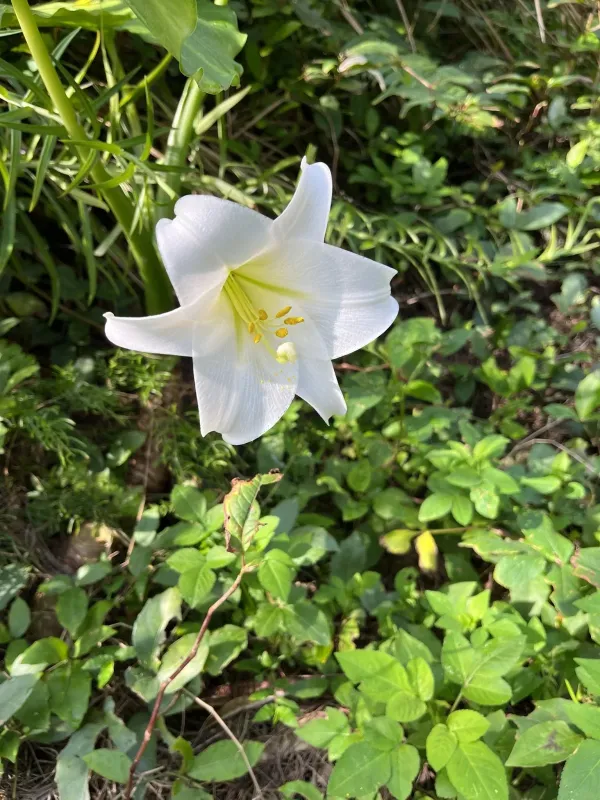
The plant features characteristic white, trumpet-shaped flowers with a strong fragrance. The leaves are alternate, and the stems are sturdy and erect, reaching heights between 50 and 100 centimeters.
The primary commercial use of the plant is for cut flower production in the floristry industry, as well as for landscaping in warm climate zones.
Main diseases and pests
The primary threat to the crop is gray mold (Botrytis), which affects leaves and flowers under conditions of high humidity and poor ventilation in greenhouses.
Fusarium basal rot is also common, often occurring due to poor irrigation management or the planting of infected bulbs.
Among pests, the lily leaf beetle is particularly dangerous as it feeds on the foliage, alongside the onion fly, whose larvae damage the underground parts of the plant.
Viral diseases, such as lily mosaic virus, are transmitted by aphids and require the immediate removal of infected specimens to prevent the spread of the infection.
For effective plantation management, regular monitoring and the use of preventive fungicides are highly recommended for the health of the lily crop.