
Taiwan lily
Lilium formosanum Wallace
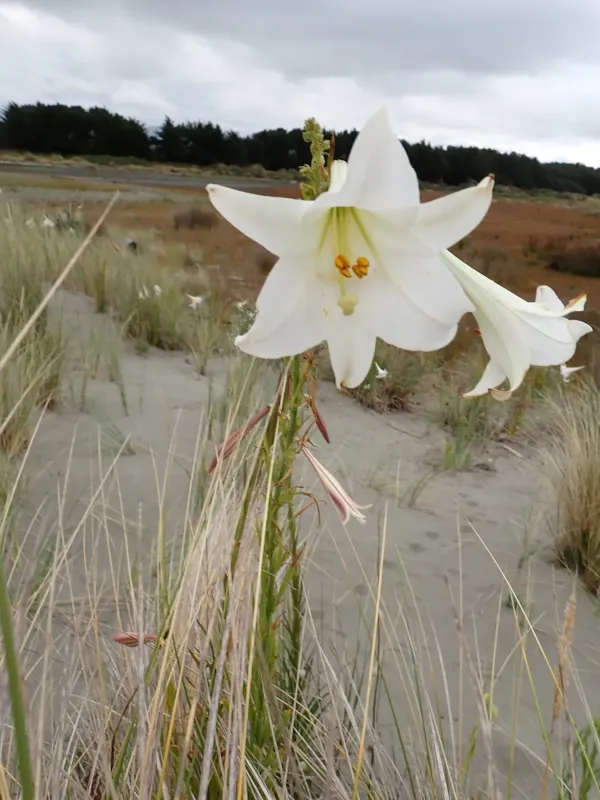
Description
Sowing dates
The Taiwan lily (Lilium formosanum) belongs to the Liliaceae family. It is distinct for its rapid growth cycle, as it can bloom within the very first year when grown from seeds, distinguishing it from many other lily species.
For best results, seeds should be sown in late winter or early spring using a well-draining seed-starting mix. The seeds are typically covered lightly, as they require a stable, warm environment to germinate successfully.
Seedlings should be pricked out and moved into individual pots as soon as they develop their first set of true leaves. This allows the roots to establish a robust structure before being moved outdoors.
Hardening off the seedlings before transplanting them into the garden is essential to ensure they can withstand outdoor conditions. This process should be gradual over a period of ten days.
Consistent light exposure is critical during the early stages of growth, and supplemental artificial light may be necessary if natural sunlight is insufficient during the late winter months.
Growing requirements
This lily prefers soil that is well-draining, rich in organic matter, and slightly acidic. Poorly drained soil, especially during winter, is a primary cause of bulb failure in this species.
The plant thrives in positions that provide full sun to light shade. In regions with extremely hot summers, some afternoon shade is beneficial to prevent leaf scorch and preserve moisture.
Adequate air circulation is necessary to prevent humidity-related issues, such as fungal growth. Planting sites should not be overcrowded, as this hinders development and encourages disease.
Watering should be deep and consistent, ensuring the moisture reaches the root zone. However, one must always ensure that the soil does not become waterlogged or stagnant.
Applying a layer of organic mulch around the base of the plant helps to maintain soil temperature and retains moisture during the heat of the summer season.
Main diseases and pests
Botrytis blight is the most common fungal threat, particularly in damp or humid weather. It causes brown spots on leaves and flowers and can quickly spread across the foliage.
Fusarium basal rot is another significant concern that affects the bulb's health. It often occurs in poorly drained soils and can lead to the rapid decline of the entire plant.
The lily beetle is a notorious pest that feeds on all parts of the plant, especially the leaves and buds. Hand-picking is effective for small infestations, but systemic insecticides may be needed for larger ones.
Viruses, often spread by aphids, can cause mottling and stunted growth. Maintaining a strict pest control regimen helps minimize the risk of transmission within the garden.
Sanitation is key to disease prevention; removing any infected plant debris at the end of the season helps reduce the number of overwintering pathogens in the soil.