
Regal lily
Lilium regale E. H. Wilson
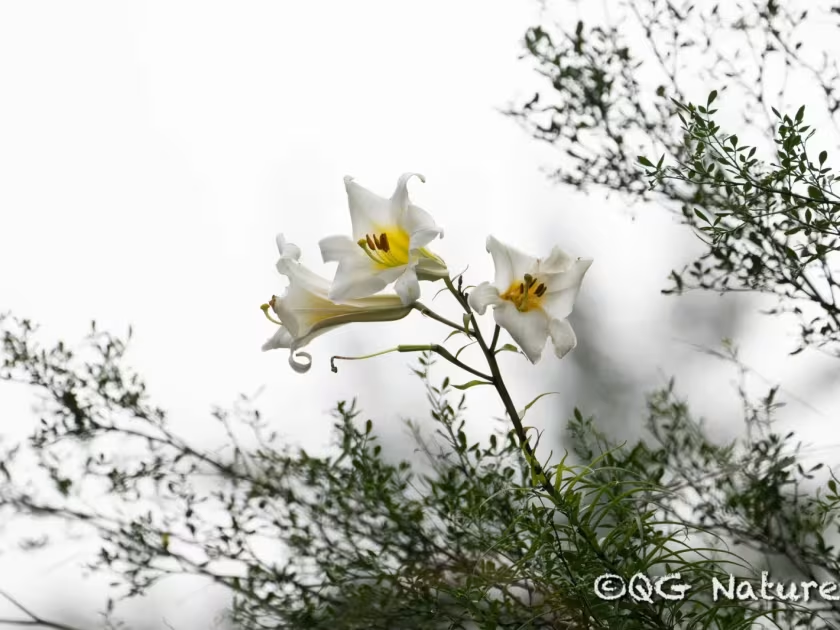
Description
Sowing dates
Regal lilies are best planted in the autumn, ideally between late August and October, which allows the root system to establish itself firmly before the arrival of winter dormancy.
Spring planting is an alternative approach, provided the bulbs are handled with care and planted as soon as the soil can be worked and is free from the risk of hard frost.
When propagating from seeds, sow them in late winter using a well-draining seed starting mix and provide bottom heat to encourage faster germination of the seedlings.
The bulb should be planted at a depth of approximately 15 to 20 cm, ensuring that the soil above is loose enough to allow the stem roots to develop properly during the season.
Spacing is critical for healthy growth; maintaining a gap of at least 25 cm between individual bulbs ensures adequate airflow, which is essential for reducing humidity-related diseases.
Growing requirements
The Regal lily, belonging to the Liliaceae family, is a highly regarded bulbous perennial known for its trumpet-shaped, fragrant white flowers with contrasting yellow throats.
It thrives in locations with full sun exposure, although it benefits significantly from having its lower stem and roots shaded by companion low-growing perennials or annuals.
Well-drained soil is non-negotiable for this species, as it is highly susceptible to bulb rot in saturated, heavy clay soils that do not provide adequate drainage during rainy periods.
Soil pH should ideally be neutral to slightly alkaline; amending the soil with organic matter such as compost helps in improving texture and providing steady nutrient availability.
Regular monitoring of moisture levels is required, especially during the peak of summer, to prevent the soil from drying out completely while also avoiding oversaturation.
Main diseases and pests
Botrytis blight is the most prevalent fungal disease, characterized by brown spots on foliage and buds, typically occurring in prolonged periods of cool, wet weather conditions.
Basal rot is another significant concern, usually caused by poor drainage or overwatering, which destroys the root plate and eventually kills the bulb throughout the growing season.
The lily beetle is a serious insect pest that feeds voraciously on all parts of the plant, often requiring manual removal or the application of appropriate systemic insecticides.
Integrated pest management strategies involve selecting disease-resistant planting sites and rotating the location of lily beds to prevent the buildup of soil-borne pathogens over time.
- Sanitizing garden tools to prevent the cross-spread of viral infections.
- Removing and destroying infected plant parts immediately upon detection.
- Applying preventive fungicides during periods of high humidity and rainfall.