
Spotted lily
Lilium maculatum Thunb.
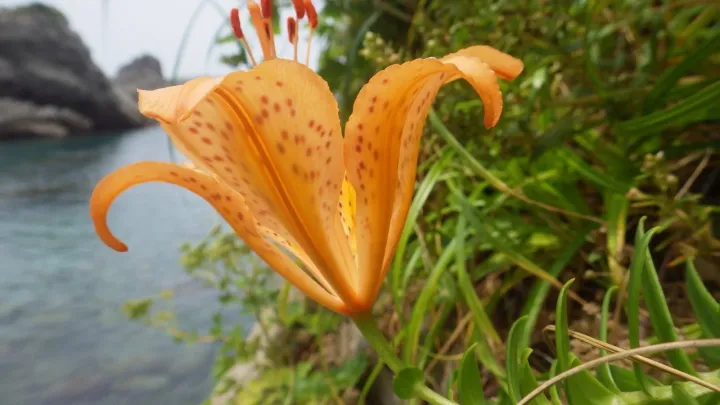
Description
Sowing dates
Planting of the Spotted Lily (Lilium maculatum) is ideally performed in early autumn, providing the bulbs with sufficient time to establish a root system before the onset of winter dormancy. This timing allows the plant to thrive as soon as the spring thaw begins.
Spring planting is a viable alternative for regions with harsh winters, though it may result in shorter stems during the first blooming season. When planting in spring, it is crucial to ensure consistent moisture levels to support the rapid development of the bulb.
Bulbs should be buried at a depth equal to three times their diameter. This standard planting depth protects the developing shoot from extreme temperature fluctuations and ensures the bulb remains stable during the growing season.
Spaced roughly 20–30 centimeters apart, the plants benefit from adequate airflow, which is essential for preventing the buildup of humidity around the stems. This spacing also prevents competition for soil nutrients and light between individual specimens.
Before planting, it is recommended to treat bulbs with a fungicidal solution to prevent common soil-borne diseases. Ensuring the planting site has excellent drainage, such as adding organic matter or grit, can significantly improve the success rate of the planting process.
Growing requirements
The Spotted Lily belongs to the Liliaceae family and is a prominent bulbous perennial characterized by its distinct, speckled petals. Its botanical structure makes it a resilient but demanding plant in terms of specific environmental conditions for optimal growth.
Sunlight requirements for Lilium maculatum are high; the plant prefers full sun to partial shade. Exposure to sufficient light is necessary to stimulate flower bud formation and maintain the vivid coloration and structural integrity of the flowering stems.
Well-draining, nutrient-rich soil with a slightly acidic to neutral pH is ideal. Poorly drained, heavy soils, particularly those with high clay content, often lead to bulb rot, which is the primary cause of failure in lily cultivation.
Temperature management involves mulching the base of the plant to keep the soil temperature consistent throughout the season. Proper mulching also suppresses weeds and reduces the need for frequent mechanical disturbance of the topsoil, which could damage roots.
Watering should be moderate, focusing on keeping the soil moist but never saturated. During the peak of summer, it is vital to prevent water from splashing onto the foliage to reduce the risk of leaf blight, as moisture trapped on the leaves provides an entry point for diseases.
Main diseases and pests
Botrytis, or gray mold, is a significant threat to the Spotted Lily, manifesting as unsightly brown spots on the foliage. Under high humidity conditions, this fungus can spread rapidly, potentially leading to the death of the entire plant if left unchecked.
Fusarium wilt is another severe condition that primarily affects the basal plate of the bulb. Once the bulb is compromised, the plant shows signs of chlorosis and wilting. Strict hygiene and the use of clean, disease-free bulbs are the primary defense strategies.
The lily leaf beetle is a notorious pest that can skeletonize leaves and damage flower buds within days. Gardeners should conduct routine inspections and physically remove the beetles, or apply targeted insecticides if the infestation levels exceed threshold values.
Aphids pose a dual threat: they cause physical damage by feeding on plant sap and serve as vectors for viral diseases. Since viral infections are incurable, controlling aphid populations is essential for maintaining a healthy lily patch over several years.
A successful preventative strategy includes maintaining good sanitation practices, such as removing dead plant material after the growing season and ensuring the soil is not overly packed. Regular, balanced fertilization also builds systemic plant resistance against minor pest and disease pressures.