
Leucospermum truncatulum
Leucospermum truncatulum
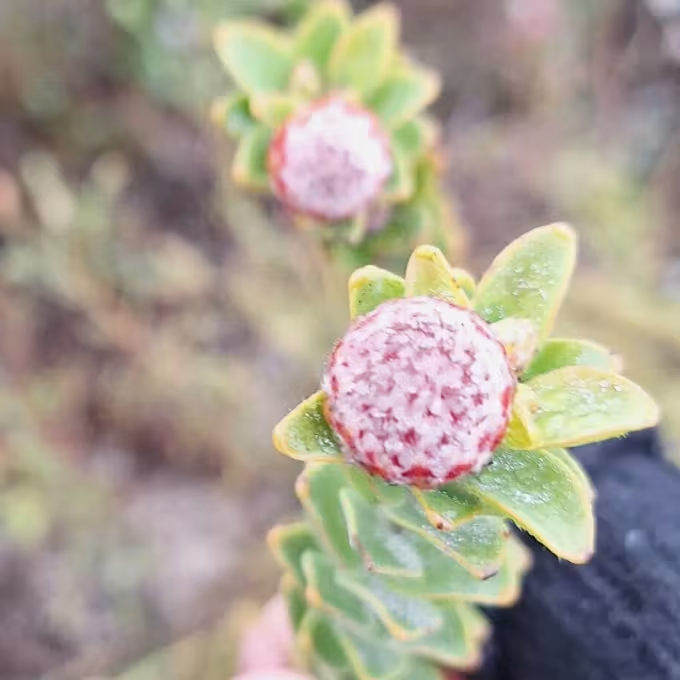
Description
Sowing dates
Leucospermum truncatulum, a member of the Proteaceae family, is propagated primarily through seeds or vegetative cuttings. Seeds often require a pre-sowing treatment, such as smoke water or scarification, to overcome dormancy and simulate natural germination cycles.
The optimal sowing period follows a natural cool-down phase, typically mirroring late summer or autumn temperatures. Controlled greenhouse environments allow for year-round propagation, provided the temperature fluctuations are strictly managed.
The germination substrate must be exceptionally well-draining, with a low nutrient profile, particularly regarding phosphorus. A pH level ranging from acidic to neutral is critical to ensure proper development of the radical system.
Cuttings are sourced from semi-hardwood stems in late summer. Using professional-grade rooting hormones is essential, as the species has a relatively low success rate for spontaneous rooting, requiring high humidity and stable warmth for the rooting bed.
Young plants are highly sensitive to root disturbance. Growers must use biodegradable pots to allow for direct transplantation, which prevents the transplant shock that frequently leads to the loss of young seedlings.
Growing requirements
Native to the Cape Floristic Region of South Africa, this culture requires full solar exposure to thrive. Adequate light intensity is vital for the development of its signature floral structures and overall plant vigor.
The plant thrives in moderate climates, with an ideal temperature range of 15 to 25 degrees Celsius. It is not frost-tolerant and requires protection from temperatures dropping below the freezing point during winter months.
Soil composition is the most critical factor in successful cultivation. The medium must be coarse, sandy, and porous to allow for rapid water drainage, as the species is highly susceptible to root rot in compacted or heavy clay soils.
Irrigation practices must be precise, emphasizing the need for moisture without waterlogging. Soft water is preferred, as high salinity or calcium content can adversely affect the plant's sensitivity to mineral buildup in the growing medium.
Proper air circulation is mandatory to prevent the development of fungal pathogens. In greenhouse settings, high-capacity ventilation systems are used to maintain low relative humidity levels around the foliage.
Main diseases and pests
Phytophthora root rot is the most devastating threat to Leucospermum plantations. This pathogen spreads rapidly in poorly drained soils and can wipe out entire blocks of plants if not managed through immediate isolation and soil sanitation.
Common pests include mealybugs and spider mites, which thrive in protected cultivation environments. Regular scouting and biological control agents are the primary methods for managing these populations without damaging the plant.
Gray mold (Botrytis cinerea) can infect the blooms and leaves when air circulation is insufficient. Cultural practices, such as removing senescent tissue and maintaining appropriate plant spacing, are essential for prevention.
Chlorosis, often caused by iron deficiency or an imbalance in the soil's pH, is a common physiological issue. Regular soil analysis is required to adjust nutrient availability without increasing phosphorus levels, which are toxic to Proteaceae.
Integrated Pest Management (IPM) is the gold standard for this crop, emphasizing prevention over curative chemical applications. Chemical treatments must be used sparingly to avoid potential phytotoxicity to the sensitive leaves.