
Leucospermum bolusii
Leucospermum bolusii
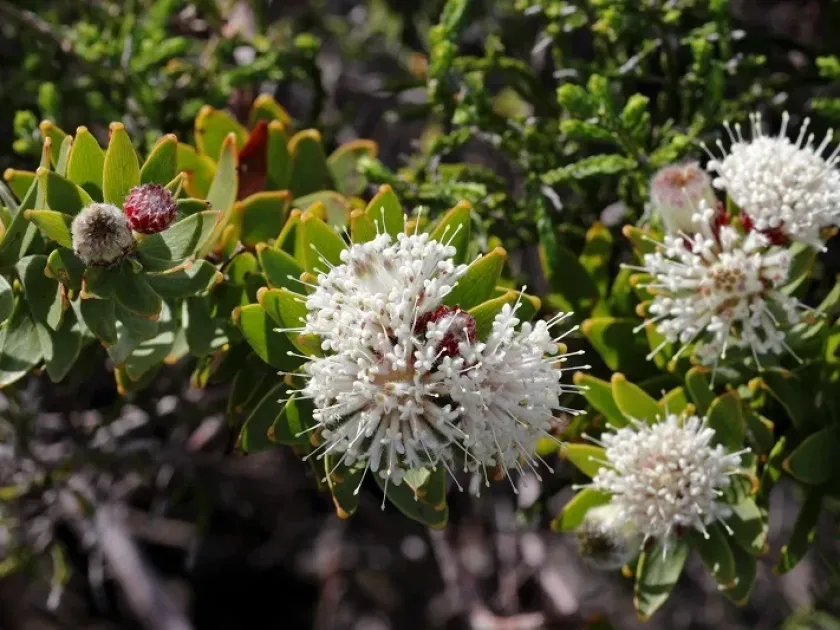
Description
Growing requirements
Leucospermum bolusii is a unique shrub belonging to the Proteaceae family, native to the Cape region of South Africa. Known for its distinct, pin-cushion-like flower heads, this plant is highly prized in the global ornamental industry for its exotic aesthetic appeal.
The culture requires a Mediterranean-type climate characterized by mild, moist winters and warm, dry summers. Because it is highly sensitive to frost, it is primarily grown in greenhouse conditions or specific microclimates where temperature can be strictly managed to prevent cold damage.
Soil requirements are quite specific: the plant demands extremely well-drained, acidic to neutral soil with very low phosphorus levels. Standard commercial fertilizers are often too rich for this species, making site selection and soil preparation the most critical steps in cultivation.
Irrigation management is essential for long-term survival. The plants require high-quality, low-salt water. Using tap water with high mineral content can cause salt accumulation in the root zone, leading to rapid decline and chlorosis in the foliage.
Proper air circulation is non-negotiable for this species. Whether grown in fields or containers, the plants need constant movement of fresh air to thrive, which helps prevent stagnant moisture from accumulating around the foliage and stems.
Main diseases and pests
The most significant threat to Leucospermum bolusii is root rot caused by Phytophthora pathogens. These soil-borne fungi thrive in wet, poorly drained substrates and can wipe out an entire crop if the irrigation system is not perfectly balanced.
Pests such as spider mites and mealybugs frequently target plants in enclosed environments. Regular scouting and Integrated Pest Management (IPM) practices, including the introduction of natural predators, are more effective than relying solely on heavy chemical pesticides.
Nutrient deficiency, specifically related to iron uptake, often manifests as leaf yellowing. This is frequently a physiological response to incorrect soil pH levels, rather than a lack of minerals, necessitating periodic pH monitoring of the growing medium.
Powdery mildew is a common fungal threat when humidity levels fluctuate drastically within the greenhouse. Maintaining a stable environment and ensuring proper plant spacing is the best prophylactic measure against this disease.
Root system damage can also occur if the soil is compacted. Since these plants have delicate proteoid roots that require oxygen to absorb nutrients, keeping the soil structure loose and airy is vital for preventing stunted growth and vulnerability to secondary infections.
Harvesting
The primary economic focus for Leucospermum bolusii is the cut-flower trade. The inflorescences have excellent post-harvest longevity, often lasting two to three weeks if kept in appropriate conditions, making them a premium product for high-end floristry.
Harvesting is typically done when the florets are fully open but before the pollen is shed. Precision cutting with sharp, sterilized tools is necessary to ensure the plant remains productive for future harvesting cycles and to minimize the risk of wound-borne diseases.
Post-harvest care involves immediate hydration and, in some cases, the use of preservative solutions designed for woody stems. This step is critical to maintaining the structural integrity of the heavy flower heads during shipping and retail display.
Careful packaging is required to protect the delicate, spiky petals from bruising. Vertical storage during transport is recommended to prevent the stems from bending and to preserve the overall aesthetic quality of the shipment.
With consistent agronomic care, an established plantation of Leucospermum bolusii can provide high-quality floral stems for many years. Regular pruning and maintenance of the shrubs after the flowering period are essential to ensure the vitality of the plant for the next season.