
Leucospermum conocarpodendron
Leucospermum conocarpodendron
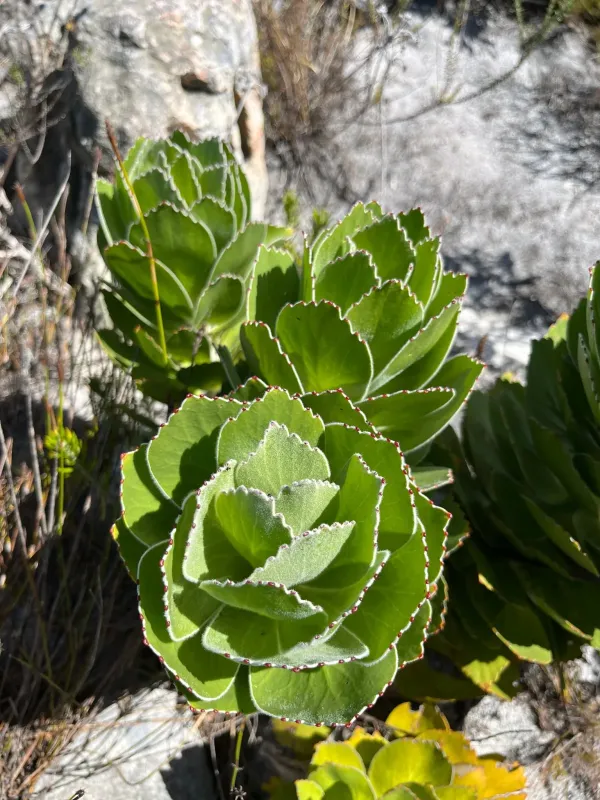
Description
Sowing dates
Leucospermum conocarpodendron is an evergreen shrub belonging to the Proteaceae family, native to South Africa. In agricultural practice, propagation is primarily done via seeds, which require specific pre-sowing treatments to break dormancy.
Successful germination often requires mimicking post-fire environmental conditions, which is achieved by treating seeds with smoke water or specific chemical stimulants. Early spring is the optimal period for sowing when stable temperatures are established.
The seeds should be sown in a well-draining, acidic substrate composed of sand and peat. Effective soil aeration is critical from the very first days, as this species is extremely sensitive to waterlogging and root asphyxiation.
Seedling transplantation must be handled with extreme care to avoid damaging the delicate proteoid roots. Young plants are transferred to open ground or containers only after reaching a height of 15–20 centimeters.
Commercial nurseries often utilize cutting propagation with semi-hardwood stems treated with rooting hormones. This method is preferred to maintain the exact genetic and ornamental characteristics of the parent plant.
Growing requirements
This crop has strict environmental requirements: it thrives in sunny, open locations with light, nutrient-poor, and acidic soils. The ideal pH range is between 5.0 and 6.0.
Alkaline soils are detrimental to the plant, causing severe chlorosis and rapid root decay. Therefore, maintaining the correct soil chemistry is the most important aspect of its cultivation.
Leucospermum conocarpodendron has low frost tolerance and requires greenhouse protection in regions with cold winters. It is essentially an ornamental crop adapted for mild or Mediterranean-like climates.
Watering should be moderate and consistent, with a focus on avoiding moisture accumulation. The plant possesses natural adaptations that allow it to withstand brief periods of drought.
Fertilization must be approached with caution, as high phosphorus levels are toxic to Proteaceae. Only specialized low-phosphorus fertilizers should be used to support growth without causing chemical injury.
Yield
The primary commercial use of the crop is for cut flowers, valued for their unique aesthetic appeal and excellent vase life. Yield depends heavily on the plant's age and adherence to strict cultivation protocols.
A mature, well-formed shrub can produce dozens of impressive flower heads per season. Harvesting is typically done when the majority of florets in the head are partially open.
Bloom intensity is heavily influenced by post-flowering pruning. Strategic cutting of shoots after the growing season promotes denser foliage and increases the number of flower stalks for the following cycle.
Plantations are generally productive for 5–8 years, after which the quality of the blooms begins to decline, necessitating the replacement of the shrubs with younger specimens.
Market value is determined by the size of the flower heads, color intensity, and stem length, all of which are measured against international floriculture standards.
Main diseases and pests
The primary threat to the crop is root rot caused by fungal pathogens in waterlogged soils. Prevention is centered on maintaining perfect drainage and air circulation around the root zone.
Among pests, mealybugs and spider mites represent the most significant danger, particularly in greenhouse conditions where low humidity favors their rapid development.
Fungal infections, such as Phytophthora, are often incurable, making strict quarantine measures and the use of sterile growing media essential for long-term plantation health.
Using tap water with high salinity or mineral content can lead to salt accumulation in the tissues, which weakens the plant's immune system and makes it more susceptible to secondary infections.
Pests can damage both leaves and developing buds, significantly reducing the marketability of the cut flowers, which mandates constant monitoring and integrated pest management.
Harvesting
Harvesting is performed in the early morning hours when the plant is most turgid. This practice is essential for ensuring maximum longevity of the flowers after they are cut.
Stems must be cut with sharp shears at an angle and immediately placed in clean water. Exposure to direct sunlight after harvest should be minimized to prevent wilting.
Grading is based on the stage of bud opening and stem length. The cut flowers are bundled and stored in climate-controlled rooms at temperatures between +5 and +8 degrees Celsius.
Transportation requires specialized packaging to prevent mechanical damage to the large, fragile, and distinctive flower heads of the Leucospermum.
Post-harvest, the shrubs undergo sanitary pruning to remove remaining flower stalks and dry branches, which improves internal airflow and reduces the risk of future disease outbreaks.