
Leucospermum tottum
Leucospermum tottum (L.) R. Br.
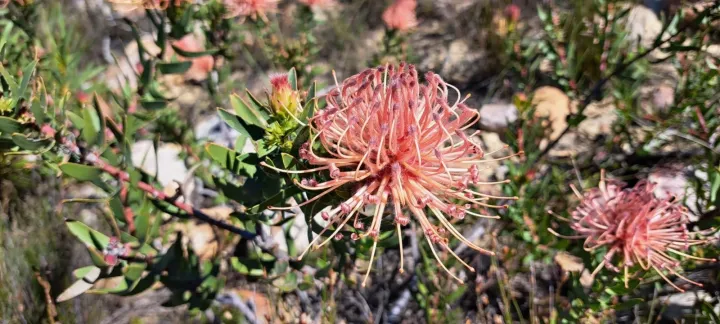
Description
Growing requirements
Leucospermum tottum, a member of the Proteaceae family, is a distinct evergreen shrub originating from the mountainous fynbos regions of South Africa. It is widely recognized for its stunning, pincushion-like flower heads.
The cultivation of this species requires specific soil conditions: it thrives in acidic, well-draining, nutrient-poor, sandy soils. High levels of phosphorus are toxic to these plants, making fertilizer management a critical skill for any grower.
The climate requirement is Mediterranean, characterized by wet winters and dry summers. While the plant is drought-tolerant, it requires consistent moisture in the root zone during its active growing phase, though it absolutely cannot tolerate waterlogged soil.
Full sun exposure is mandatory for healthy development and high-quality blooms. Providing adequate airflow between plants is essential to manage microclimates and prevent the buildup of humidity, which can lead to fungal issues.
Pruning is a fundamental part of the agricultural practice for this crop. Regular cutting after the harvest encourages lateral growth, which ensures a higher number of flowering stems in the following season.
Main diseases and pests
The most significant threat to Leucospermum tottum is root rot caused by Phytophthora fungi, often triggered by excessive soil moisture and poor drainage. Once established, this pathogen is difficult to control.
Pests such as aphids and mealybugs may infest the tips of young shoots. Growers should adopt an integrated pest management approach, focusing on biological controls to protect the sensitive flora from chemical stress.
Harvesting
Harvesting should occur when the flower heads show mature, fully formed styles. The stems are cut at specific lengths, ensuring that some foliage remains on the parent plant to support its continued vitality.
Post-harvest care involves placing the stems in clean, low-mineral water immediately to maintain turgor. The cut flowers are highly valued in the global market for their exceptional vase life and unique, long-lasting aesthetic appeal.