
Leucospermum
Leucospermum cordifolium (Salisb. ex Knight) Fourc. x L. tottum (L.) R. Br.
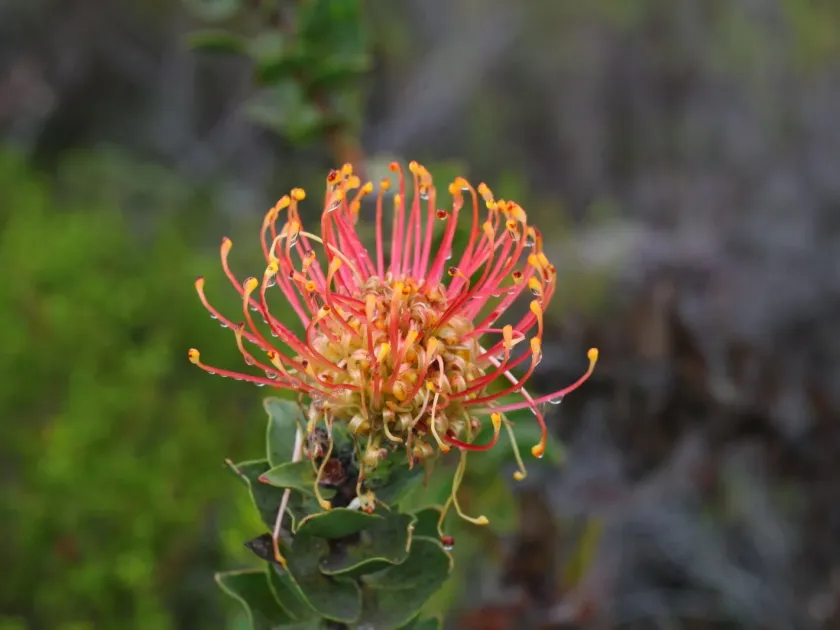
Description
Sowing dates
Leucospermum propagation is typically achieved through seeds or stem cuttings. Seed germination is complex, often requiring smoke treatment to mimic the post-fire environmental triggers found in its native South African habitat.
Seedlings must be planted in a well-draining, nutrient-poor substrate. Proteaceae plants are extremely sensitive to phosphorus, so standard potting mixes should be avoided.
Vegetative propagation via semi-hardwood cuttings is the preferred method for commercial nurseries to ensure genetic uniformity and preserve specific hybrid characteristics.
Cuttings require a sterile environment, consistent warmth, and high humidity to develop root systems, a process that can take several months to complete successfully.
Proper acclimatization of rooted cuttings is crucial, gradually lowering humidity levels before transplanting them to larger containers or greenhouse beds.
Growing requirements
This crop thrives in full sunlight and requires significant heat to develop high-quality flower heads. It is strictly a non-hardy plant that cannot tolerate frost.
Soil requirements are very specific: acidic pH (between 5.0 and 6.0) and excellent drainage. They are highly susceptible to root rot if waterlogged, making gravel or sandy mixtures ideal.
Fertilization must be carefully managed. Use only specialized, low-phosphorus fertilizers, as high phosphorus levels can cause toxicity in the protea family's root systems.
In non-Mediterranean climates, Leucospermum is best suited for greenhouse or conservatory cultivation where light, temperature, and ventilation can be tightly controlled.
Watering should be deep but infrequent, allowing the top layer of the substrate to dry out between applications to prevent fungal pathogen proliferation.
Yield
Leucospermum is cultivated primarily for its highly valued, long-lasting cut flowers. A well-maintained plantation can provide multiple harvests for several years.
Annual yields depend on pruning practices and plant maturity. Strategic pruning after the flowering cycle encourages the growth of new, flower-bearing shoots for the next season.
Flower harvest timing is critical; blossoms should be cut when the florets are fully open but before the pollen starts to drop significantly to ensure maximum vase life.
Commercial producers focus on consistent flower size and stem length, which are the primary indicators of grade and market value in the international cut flower trade.
Efficiency in production is maintained through modern irrigation systems and precise climate management, which can extend the flowering season and improve total output.
Main diseases and pests
Phytophthora root rot is the most devastating disease for this genus, often caused by poor drainage or excessive soil moisture levels in nursery environments.
Common pests like mealybugs and spider mites can infest plants if air circulation is poor or if the plants are stressed by suboptimal growing conditions.
Iron deficiency and chlorosis are common indicators of incorrect soil pH or poor nutrient uptake, which significantly degrades the plant's aesthetic and health.
Mechanical root damage must be strictly avoided as it provides an entry point for soil-borne pathogens, making weed control a delicate task around the root zone.
Preventative measures include using pathogen-free media, strict hygiene protocols in the greenhouse, and regular monitoring for early signs of stress.
Harvesting
Harvesting should be done in the early morning when the plant's turgor pressure is at its highest, ensuring the stems remain hydrated for longer periods.
Clean, sharp tools are essential for harvesting to ensure smooth cuts that heal quickly and do not crush the vascular tissues of the stem.
After cutting, stems should be processed immediately in a clean bucket with floral preservatives to inhibit bacterial growth and maintain water uptake.
Post-harvest handling involves cooling the flowers to specific temperatures to slow respiration rates and maximize their shelf life during transport and storage.
Packaging must provide adequate airflow to prevent moisture buildup, which can lead to gray mold on the flower heads during long-distance transit.