
Leucospermum glabrum
Leucospermum glabrum
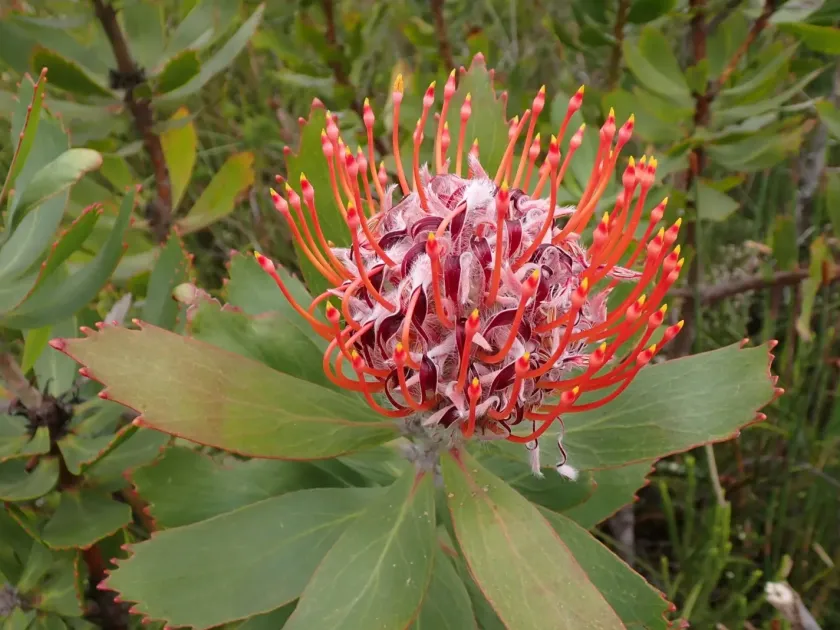
Description
Sowing dates
The seeds of Leucospermum glabrum possess a hard testa, which often requires stratification or smoke treatment to mimic the natural bushfire conditions of its native habitat for germination.
The best time to sow seeds in a controlled environment is early spring, maintaining substrate temperatures between +15°C and +20°C consistently.
It is recommended to use a sterile, well-draining substrate composed of peat and coarse sand, avoiding any fertilizers that contain high levels of phosphorus.
Vegetative propagation via semi-hardwood cuttings is another common practice, involving the harvesting of shoots during active growth for rooting.
Germination is often asynchronous, requiring careful monitoring and ventilation of the seed trays to ensure successful seedling development.
Growing requirements
Leucospermum glabrum is a species within the Proteaceae family, native to South Africa, requiring high intensity of sunlight for optimal health.
The plant thrives in acidic, well-draining soils with low organic content, similar to the nutrient-poor sandy substrates of its indigenous environment.
Proper air circulation and low relative humidity are crucial factors to prevent root rot and other physiological issues related to moisture stagnation.
Due to its high demand for warmth, commercial cultivation is primarily limited to greenhouses or mild climates where frost is not a factor.
Care must be taken to avoid phosphorus-based fertilizers, as the species is highly sensitive and can succumb to chemical toxicity rapidly.
Main diseases and pests
The primary threats to this crop are fungal pathogens, which proliferate in environments with poor drainage and inadequate air movement.
Phytophthora root rot is particularly dangerous, causing rapid decline and plant death if the soil remains wet for prolonged periods.
Pest management should focus on controlling spider mites and mealybugs, which are common issues in indoor and greenhouse production settings.
Bacterial infections may occur following physical damage to the stems or during poor handling, requiring strict hygiene during pruning.
Regular monitoring and the use of disinfected cutting tools are essential protocols for maintaining a healthy and productive plant population.
Harvesting
The primary commercial use of Leucospermum glabrum is for cut flower production, prized for its unique architectural form and long vase life.
Harvesting is typically done when the inflorescences are partially open, specifically when the upper bracts begin to reveal the pollen-bearing styles.
Sharp secateurs must be utilized during the harvest to ensure a clean cut, minimizing the risk of infection and damage to the parent plant.
Stems should be placed immediately into clean water mixed with floral preservatives to maintain turgor pressure and maximize post-harvest longevity.
Pruning and harvesting are integral to maintenance, as they stimulate new vegetative growth and help shape the shrub for future flowering cycles.