
Leucospermum patersonii
Leucospermum patersonii
Description
Growing requirements
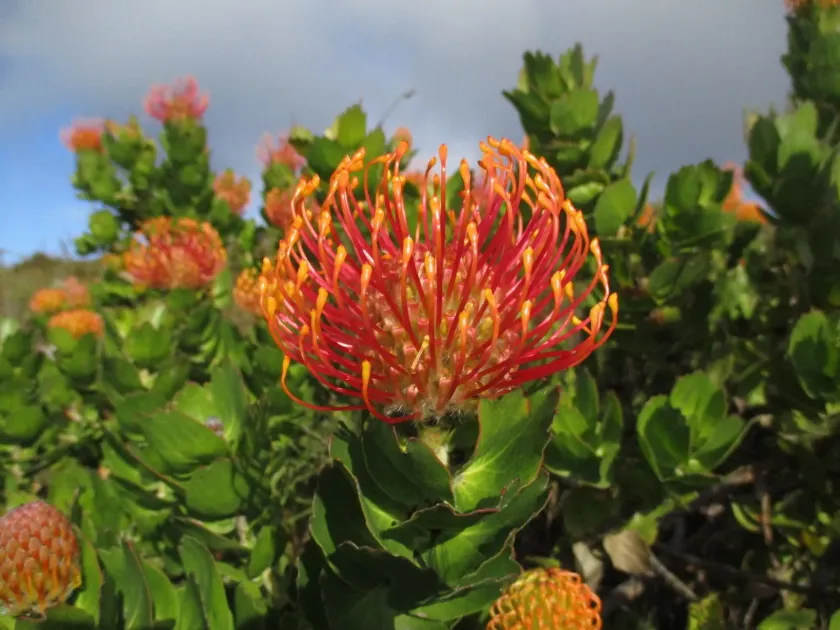
Leucospermum patersonii, commonly known as the Silver-leaf Pincushion, belongs to the Proteaceae family. This shrub is highly valued for its striking, architectural flower heads that make it a premium product in the global cut-flower industry.
The plant thrives in Mediterranean-type climates, requiring long hours of full sun and excellent air circulation. It is strictly intolerant of frost and requires protection if temperatures drop below freezing, making it ideal for greenhouses in cooler regions.
The soil must be acidic, sandy, and exhibit exceptional drainage. The root system of this species is highly sensitive to moisture stress and root rot pathogens, which thrive in heavy, water-logged soils common in many agricultural plots.
Cultivation practices focus on minimal intervention regarding synthetic fertilizers. Because they evolved in nutrient-poor soils, Proteaceae are extremely efficient at nutrient uptake and are highly sensitive to phosphate toxicity from standard fertilizers.
Harvesting for commercial purposes requires careful timing when the flowers reach the stage of full color, but before the individual styles have fully extended. Proper handling after harvest, including immediate rehydration, is crucial for market longevity.
Main diseases and pests
The most significant threat to Leucospermum patersonii is Phytophthora root rot, a water mold that spreads through soil or contaminated irrigation water. Once a plant is infected, there are few effective treatments, so prevention is essential.
Insect pests, such as mealybugs and scale insects, often hide in the dense foliage or the base of the flower heads. These pests excrete honeydew, which promotes the growth of sooty mold, damaging the aesthetic quality of the flowers.
Spider mites are another common challenge, especially in high-temperature environments where the plant is stressed by dryness. Infestations can lead to yellowing leaves and reduced flower production if not managed in time.
Borers or wood-boring beetles can cause mechanical damage to the main stems. Keeping the plants vigorous through appropriate pruning and avoiding injury to the bark are the best ways to minimize susceptibility to these borers.
Disease outbreaks are often correlated with poor sanitation. Removing debris from under the bushes and disinfecting pruning tools between plants significantly reduces the risk of transferring fungal and bacterial pathogens across the crop.