
Leucospermum lineare x L. tottum
Leucospermum lineare R. Br. x L. tottum (L.) R. Br.
Description
Growing requirements
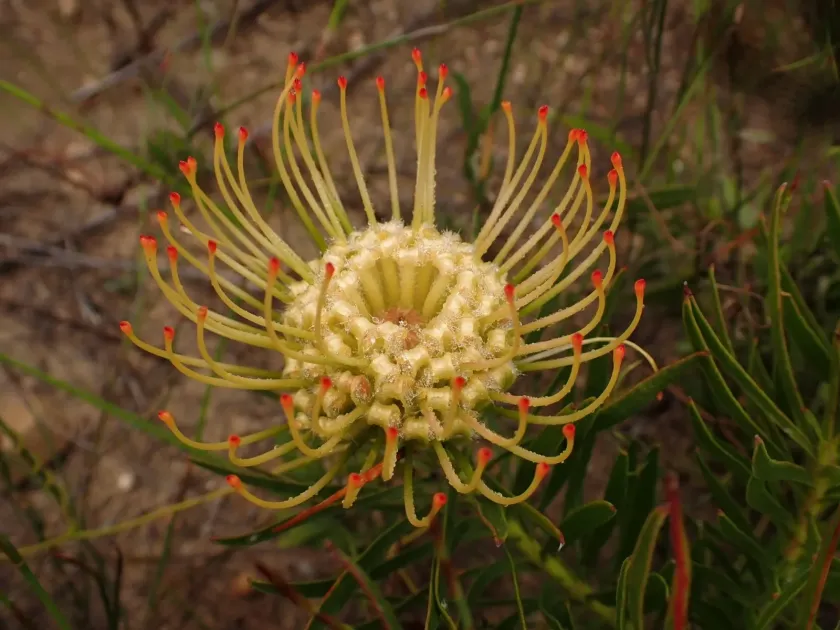
Leucospermum lineare × L. tottum is a highly valued hybrid belonging to the Proteaceae family, widely cultivated for its unique, pin-cushion shaped blooms. As a species of South African origin, it is adapted to specific ecological niches with low nutrient availability.
The plant thrives in well-drained, acidic, and sandy soils. It is extremely sensitive to phosphorus, meaning that standard fertilizers are often unsuitable and specialized low-phosphorus nutrition is required to ensure healthy plant development.
Climatic requirements for this hybrid include warm, sunny days and cool nights. It is native to Mediterranean-style climates, making it prone to stress if subjected to heavy frosts or excessively humid and stagnant atmospheric conditions.
Agricultural practices require meticulous attention to irrigation. While the plants need water, the soil must never remain waterlogged. Drip irrigation systems are preferred to keep the foliage dry, which significantly reduces the risk of fungal infections.
Pruning is a fundamental aspect of the maintenance of this crop. After each harvest, stems should be cut back to promote vigorous vegetative growth and maintain the structural integrity and production capacity of the shrub for subsequent seasons.
Main diseases and pests
The most critical threat is root-rot caused by Phytophthora species. This disease is exacerbated by poor drainage and excessive irrigation, often leading to total plant loss in production fields.
Insect pests such as mealybugs, aphids, and mites can infest the plants, particularly in greenhouse environments. Integrated Pest Management (IPM) strategies, including biological controls, are essential for maintaining market-grade quality.
Harvesting
Harvesting is performed by selecting stems with well-developed, partially or fully open flower heads. The stems must be cut with sterilized tools to prevent the transmission of pathogens between plants.
Post-harvest care involves immediate removal of field heat and keeping the stems in clean water. This hybrid is recognized for its long vase life, making it a premium choice in the global floriculture industry for exotic arrangements.