
Leucospermum glabrum x tottum
Leucospermum glabrum x Leucospermum tottum
Description
Growing requirements
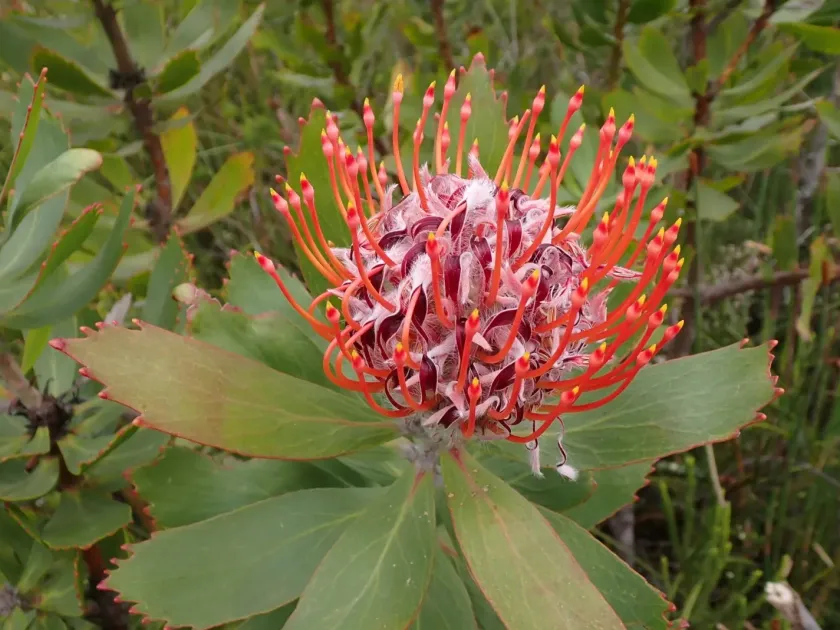
Leucospermum glabrum x tottum is a prized hybrid within the Proteaceae family, widely cultivated for its vibrant and durable inflorescences. As a specialized shrub, it combines the structural elegance of its parent species, resulting in high-demand ornamental flowers often referred to as pincushion proteas.
The cultural requirements are strictly defined by its Mediterranean-type origin. It thrives in regions with warm, dry summers and mild, wet winters. The plant demands full solar exposure, which is critical for the development of the dense flower heads that define its market value.
Soil management is the most critical aspect of agronomy for this hybrid. It requires highly acidic, well-draining soils with very low phosphorus levels. Standard garden fertilizers are often toxic to this species, necessitating the use of specialized low-phosphorus nutrient formulations designed specifically for Proteaceae.
In terms of irrigation, Leucospermum requires a delicate balance. While it needs consistent moisture for growth, it is highly susceptible to root pathogens if subjected to waterlogging. Elevated beds and coarse, sandy soil textures are standard practices in commercial operations to ensure optimal aeration.
The plant is primarily utilized as a long-lasting cut flower. Its woody stems and resilient florets make it ideal for international export, as it can withstand extended transit times while maintaining its aesthetic appeal for several weeks in retail displays.
Main diseases and pests
Phytophthora root rot remains the single most significant threat to Leucospermum production. Pathogens thrive in damp, stagnant soil conditions, and once a plant is infected, curative treatment is usually ineffective, making prevention through drainage control the primary management strategy.
Pests, particularly mealybugs and spider mites, are common in intensive cultivation environments. These insects hide among the dense bracts of the flower heads, significantly lowering the marketability of the crop and requiring vigilant integrated pest management (IPM) protocols.
Nematodes pose a substantial risk when the crop is planted in non-sterilized soil. They damage root tissues, leading to nutrient deficiency symptoms and eventually plant death. Pre-planting soil testing and the use of certified pathogen-free substrates are essential steps for success.
Nutrient toxicity, particularly from excessive phosphorus, manifests as chlorosis and terminal bud dieback. Constant monitoring of soil conductivity and pH is necessary, as even minor deviations can compromise the health of the entire plantation.
Botrytis (gray mold) is a frequent harvest and post-harvest threat, particularly if high humidity persists. Ensuring constant airflow through the canopy and maintaining dry conditions during harvest are critical to keeping the product free of fungal blemishes.
Harvesting
Harvesting should be performed when the flower head is fully developed but before the individual styles have opened too far. This stage ensures the best vase life and aesthetic appeal for the end consumer, as the flowers continue to open slowly once placed in water.
Stems must be cut with sterilized, sharp tools to ensure clean wounds that do not promote bacterial growth. It is essential to avoid stripping the stem of all leaves, as some foliage is required to maintain plant vigor for subsequent growth cycles.
Post-harvest handling involves moving stems quickly into an acidic water solution containing floral preservatives. This step is vital for rehydrating the stems and neutralizing the bacteria that would otherwise block the xylem vessels.
Temperature management during storage is crucial for maintaining quality. Flowers should be kept in cool, dry storage at approximately 4–6 degrees Celsius, with high-velocity air circulation to prevent moisture accumulation on the petal structures.
Grading is based on stem length, head diameter, and uniformity of color. Each bunch is carefully inspected for pests or mechanical damage before being sleeved in protective, breathable packaging for distribution to domestic or export markets.