
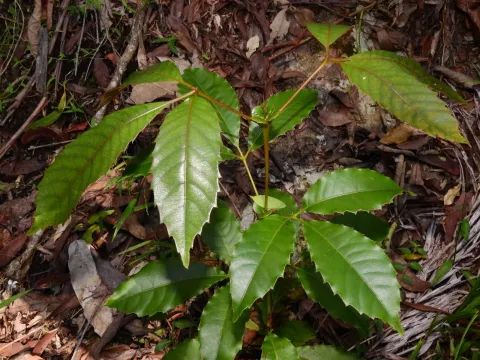
Karrabina
Karrabina
Karrabina seeds are sown in well-warmed soil once the temperature at the seeding depth reaches 12–15 degrees Celsius. The optimal sowing time is during a period of sustained warming that eliminates the risk of nocturnal frosts.
What the section contains


Karrabina
The seeding depth depends on the soil type and ranges from 3 to 5 centimeters. In light sandy substrates, it is recommended to increase the depth to ensure sufficient contact with moist soil layers.
The sowing pattern should ensure free development of the root system. Row spacing is typically maintained in the range of 45–60 centimeters to facilitate high-quality inter-row cultivation.
To accelerate germination, seeds are often calibrated before sowing. In industrial cultivation, precision pneumatic seeders are employed.
Plant density must comply with the agronomic standards of the specific region to prevent competition for sunlight and nutrients.
Karrabina is a crop sensitive to light intensity, so open, well-ventilated areas are chosen for its placement. The plant belongs to a family that prefers neutral or slightly acidic soils with good aeration.
Moisture requirements are most critical during the active vegetative growth phase and the beginning of flowering. During these periods, soil moisture must be maintained at at least 70% of full field capacity.
The crop responds positively to the application of organic and mineral fertilizers, especially to the presence of available forms of phosphorus and potassium in the soil.
An important factor for success is the absence of stagnant water on the site, as excessive waterlogging leads to inhibited root respiration and the development of root rots.
The optimal temperature for Karrabina development is between 20–25 degrees Celsius; sharp temperature fluctuations may cause bud shedding or developmental delays.
The average yield of Karrabina, when following all agronomic measures, varies widely depending on the intensity of the cultivation technology.
The use of modern hybrids and high-quality planting material allows for stable production output per hectare of land.
Regular fertilization during critical growth phases can increase total production by 15–20 percent compared to extensive methods.
The final result is influenced by the timing of the harvest, as premature or late collection of the crop leads to both qualitative and quantitative losses.
Climatic conditions of the current season, including precipitation levels during the summer, remain the main factor determining yield fluctuations across years.
Major threats to Karrabina are associated with fungal diseases caused by high air humidity. The most common are powdery mildew and various types of leaf spots.
Pests, such as aphids and thrips, can cause significant damage to crops by sucking juices from young leaves and shoots, leading to leaf deformation and reduced photosynthetic activity.
Control measures include the preventive use of broad-spectrum fungicides and insecticides during periods of mass pest infestation.
Adherence to crop rotation is the best way to prevent the accumulation of pathogens in the soil. It is not recommended to return the crop to the same field sooner than 3–4 years later.
Systematic monitoring of crop health allows for early detection of infection hotspots, minimizing costs for chemical protection measures.
Harvesting of Karrabina begins when the fruits reach technical maturity, which is determined visually by changes in color and the density of the outer tissues.
The process should ideally be carried out in the morning after the dew has evaporated to avoid excess moisture in the produce during storage and transportation.
Mechanized harvesting requires precise combine adjustments to reduce fruit damage, which significantly extends the subsequent storage life.
Immediately after collection, the product must undergo primary cleaning and sorting to remove damaged specimens and plant debris.
Storage of the collected mass is carried out in facilities with a controlled microclimate, maintaining optimal temperature and low air humidity.