
Karrabina
Karrabina biagiana
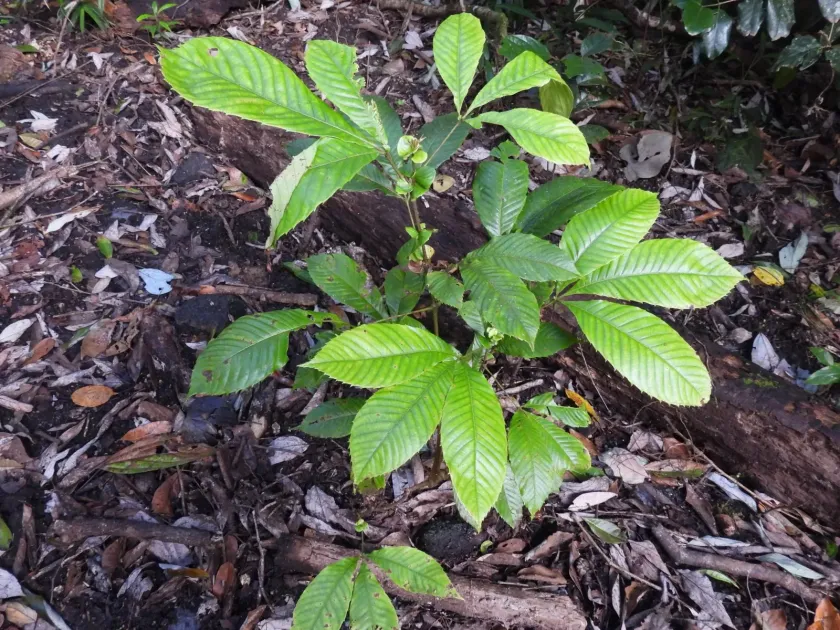
Description
Sowing dates
Sowing of the crop is carried out during the period of stable warm temperatures, typical for the subtropical climate of the region of origin. Seeds require prior stratification or soaking to improve germination, as they possess a hard outer coat.
The optimal time for establishing plantations is at the beginning of the spring period, when the threat of night frosts that could destroy young seedlings has passed. It is important to follow a planting pattern that ensures sufficient light exposure for each plant.
The seeding depth depends directly on the mechanical composition of the soil and the moisture content of the substrate at the time of sowing. Under controlled growing conditions, the tray method is often used, followed by transplantation into open ground.
In industrial-scale sowing, it is necessary to consider the high sensitivity of the root system to mechanical damage during the cotyledon stage. Adhering to optimal timing allows the plant to fully form vegetative mass before entering the dormant phase.
Regular monitoring of crop status in the first weeks after germination is a critical step in the agronomic process to ensure high stand density.
Growing requirements
Karrabina (Karrabina biagiana) belongs to the Proteaceae family and has specific requirements for growing conditions, dictated by its natural habitat. The plant prefers well-drained, slightly acidic soils with low levels of mobile phosphorus.
The crop is highly demanding regarding light levels and does not tolerate shading, making the selection of a site a key factor in productivity. It is well adapted to zones with moderate rainfall but reacts very negatively to waterlogging in the root zone.
Optimal climatic conditions assume the absence of sharp temperature fluctuations during the growing season. The crop does not tolerate strong wind loads, so the creation of protective shelterbelts around production areas is recommended.
The soil cover must have high aeration, as the root system requires a constant influx of oxygen. Fertilizer application should be metered, with a focus on micronutrients while avoiding high salt concentrations.
Biologically, the plant is a highly specialized species, requiring precise control of soil pH within the range of 5.5–6.5 units to ensure normal nutrient absorption.
Yield
Crop yield under industrial cultivation conditions depends on the intensity of care and adherence to microclimatic parameters. On average, marketable yield remains stable when optimal water balance is maintained.
Productivity peaks in the 3rd to 5th year after planting, when the plant has developed a sufficient canopy and root system. Yield also correlates with the intensity of spring flowering and pollination efficiency.
Harvesting requires careful handling, as the fruits and reproductive organs of the plant are delicate. Expected yield figures can vary depending on the specific varietal characteristics of the selected clone.
To optimize harvesting, mechanized systems adapted to the plant's dimensions are used, which reduces losses during picking. The efficiency of the feeding system directly reflects on the mass and quality of the commodity unit.
Agronomic auditing of plantations helps to timely adjust planting density to prevent self-shading, which is the main tool for increasing quantitative parameters.
Main diseases and pests
Major threats include specific fungal infections that affect the root system under conditions of excessive moisture. Pathogen development is often triggered by an incorrect watering regime or a poor drainage system.
Pests, such as sucking insects, can significantly reduce the vitality of the crop by draining juices from young shoots. Mites and aphids pose a particular danger during periods of prolonged drought.
It is necessary to conduct preventative treatments with broad-spectrum fungicides, especially during active growth phases when the plant is most vulnerable. Monitoring for pest emergence is carried out using pheromone traps.
Weeds in the rows create serious competition for nutrients, so it is important to keep the area clean. Mechanical weeding must be cautious to avoid damaging the shallow root system.
Adherence to crop rotation and quarantine measures is a prerequisite for preventing mass infestation of plantings by harmful microorganisms.
Harvesting
Harvesting is conducted in the phase of full biological maturity, when the fruits acquire their characteristic color and density. The time of harvest is determined visually by the change in the color of the integumentary tissues and the texture of the fruit.
The harvesting process should ideally be carried out in the morning hours after the dew has evaporated to minimize the risk of mold development during subsequent storage. The use of sharp tools ensures a clean cut without damaging the shoots.
After harvesting, the product requires immediate cooling to preserve its market appearance and nutritional value. Sorting by caliber is carried out immediately in the field or in a specially equipped sorting facility.
Transportation must be carried out in containers that prevent mechanical crushing, as the fruits are prone to rapid browning if the skin is damaged. Maintaining a temperature regime in the supply chain is key to long-term storage.
With proper process organization, marketable product losses do not exceed 5-7%, making the crop economically viable for specialized farms.