
Hymenolobium
Hymenolobium
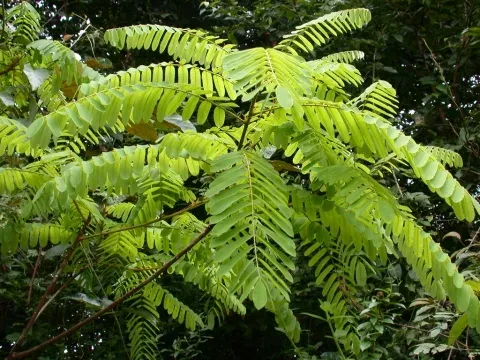
Hymenolobium is a genus of large tropical trees belonging to the Fabaceae family. These majestic trees are primarily found in the rainforests of South America, characterized by their robust size and ecological significance.
What the section contains


Hymenolobium
The cultivation of this species requires a warm, tropical climate where temperatures remain consistently high throughout the year. They thrive in environments with significant annual rainfall and high atmospheric humidity.
Optimal growth is observed in deep, fertile soils that provide adequate drainage. While the trees can handle various tropical soil types, they prefer locations where water accumulation does not suffocate the root system.
A key biological feature of Hymenolobium is its nitrogen-fixing capability. This interaction with soil bacteria enriches the ecosystem, making these trees valuable components in agroforestry systems and soil restoration projects.
During the early stages of growth, seedlings require careful management, including shade regulation. Mimicking the natural successional environment of the rainforest floor helps young saplings establish a strong root system before rapid vertical growth begins.
The primary economic value of Hymenolobium lies in its dense, durable wood. This timber is highly sought after for fine cabinetry, high-end construction projects, and artisanal furniture design due to its aesthetic and mechanical properties.
Yield estimation is focused on the accumulation of woody biomass over several decades. Systematic forest management ensures that trees are harvested at their peak physical condition to maximize both quality and output.
In addition to timber, some species are utilized in reforestation efforts to restore degraded landscapes. Their ability to provide rapid cover and improve soil structure makes them an essential asset in biodiversity conservation.
Productivity improvements rely on selecting high-performing genetic stock and optimizing spacing during planting. Proper thinning practices allow selected trees to reach their maximum potential size and timber density.
Modern forestry practices emphasize the long-term sustainability of these plantations, ensuring that the harvesting process does not degrade the underlying soil fertility or disrupt the local micro-ecosystem.
Pest management is a critical aspect of maintaining Hymenolobium plantations. Various species of boring insects and defoliators can significantly impact tree health, especially when they are in the juvenile stage.
Fungal pathogens represent a major threat in humid tropical environments, often manifesting as root rots or leaf blight. Maintaining proper spacing and monitoring for early symptoms is crucial to preventing localized outbreaks.
Competitive pressure from fast-growing weeds and invasive vines is a significant challenge. Regular site maintenance and understory clearing are required to ensure that the trees receive adequate sunlight and nutrients.
Extreme weather events, such as prolonged droughts or unusual flooding, can stress the trees and leave them vulnerable to secondary attacks by insects or parasitic organisms.
Human activities, including deforestation and land conversion, continue to be the greatest threat to native Hymenolobium populations. Sustainable forest management is essential to preserving these vital species.