
Hymenolobium excelsum
Hymenolobium excelsum
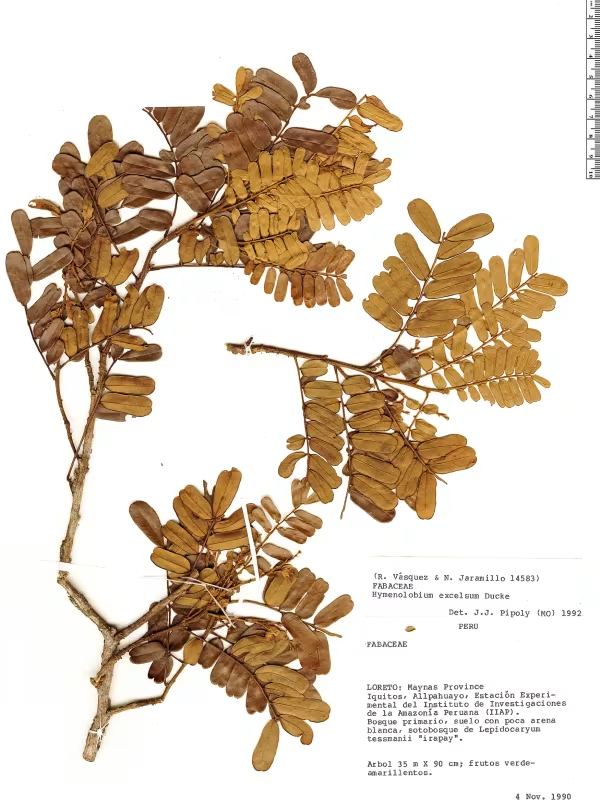
Description
Growing requirements
Hymenolobium excelsum is a prominent tree species belonging to the Fabaceae family, native to the diverse tropical ecosystems of South America.
This species flourishes in deep, well-draining alluvial soils, frequently observed in regions that experience seasonal river flooding.
As a light-demanding tree, it requires significant sun exposure to reach its full growth potential and develop a dense, robust canopy structure.
The climate requirements include consistently high temperatures and abundant rainfall, characteristic of equatorial rain forest environments.
Proper soil aeration is essential for seedling development, as stagnant water can severely inhibit root growth and nutrient uptake.
Yield
The primary economic value of Hymenolobium excelsum lies in its high-quality timber, highly sought after for its durability and aesthetic grain.
Production cycles in forestry are lengthy, focusing on sustainable harvesting techniques to maintain the long-term productivity of the forest stand.
The wood is utilized in premium construction projects, fine furniture manufacturing, and various high-strength interior design applications.
Yield management involves selective thinning and the maintenance of a diverse age structure within the plantation to ensure a continuous harvest.
By optimizing forest management practices, stakeholders can maximize the quality and volume of the timber harvested per hectare.
Main diseases and pests
Young plants are particularly vulnerable to fungal pathogens, especially in humid climates where soil moisture levels remain consistently high.
Wood-boring insects present a persistent challenge, potentially compromising the structural integrity and value of the harvested timber.
Competition from invasive plant species and aggressive climbing vines can choke young trees, necessitating regular site maintenance.
Environmental degradation and illegal logging activities pose significant risks to the natural regeneration of the species in the wild.
Increased frequency of extreme weather events, such as prolonged droughts, can stress populations and reduce their resistance to pests.