
Hymenolobium flavum
Hymenolobium flavum
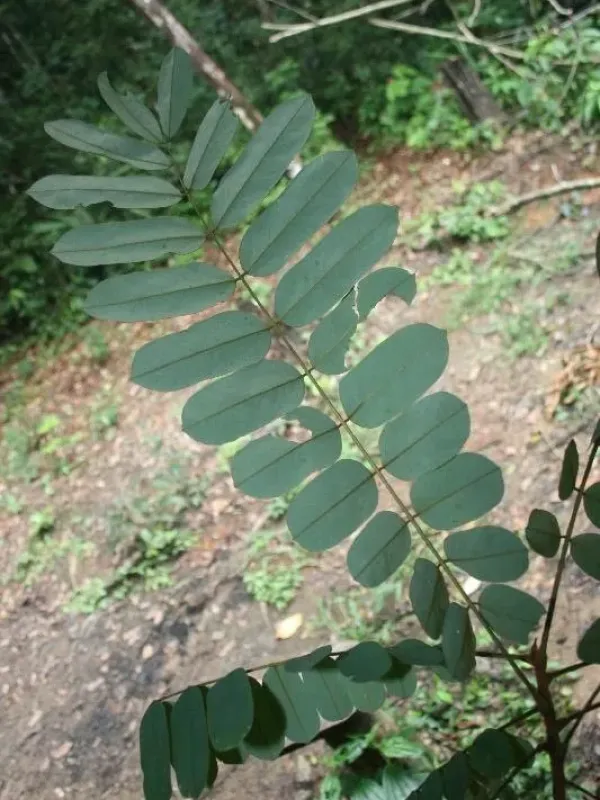
Description
Sowing dates
Hymenolobium flavum is primarily propagated via seeds, which are collected from the mature, pod-like fruits characteristic of this Fabaceae family member.
Given the short viability of the seeds, they should be sown in nursery beds as soon as possible after harvesting to ensure high germination rates.
The nursery substrate must be well-drained and kept consistently moist, creating an environment that mimics the humid conditions of the tropical forest floor.
Seedlings are nurtured in the nursery until they reach a robust size, usually between 30 to 50 centimeters in height, before being transplanted.
Proper spacing in the nursery is essential to promote the development of a healthy root system and a straight, strong main stem for the young trees.
Growing requirements
This species is native to tropical rainforests and requires high annual rainfall and consistently warm temperatures throughout the year to thrive.
It prefers deep, fertile, and well-draining soils that can provide a continuous supply of nutrients while preventing waterlogging during heavy rains.
As a light-demanding tree, Hymenolobium flavum needs open or semi-open canopy conditions to achieve its maximum growth potential in a plantation setting.
Regular maintenance of the plantation, including weed control and the removal of invasive plants, is critical during the first few years of establishment.
Effective forestry management must also account for the tree's natural inclination to grow in areas with specific soil pH levels found in its native Amazonian habitat.
Yield
The primary economic value of Hymenolobium flavum lies in its dense, durable timber, which is highly prized for construction and artisanal furniture making.
Yield estimation is based on the total volume of merchantable timber harvested from the plantation after the trees reach their maturity cycle.
With proper silvicultural practices, including selective thinning and nutrient management, plantation owners can significantly improve the quality of the harvested wood.
The growth rate of this species is considered moderate, but the high quality of the final wood product makes it a valuable species for long-term forestry.
Consistent monitoring of growth rates allows for precise planning of harvest schedules, ensuring that timber is processed at the optimal size and age.
Main diseases and pests
Young plantations of Hymenolobium flavum are often threatened by root rot caused by various fungal pathogens that thrive in high-humidity environments.
Stem-boring insects and specific species of beetles can cause severe damage to the bark and inner wood, compromising the structural integrity of the tree.
Foliage-eating insects can also reduce the photosynthetic capacity of the trees, leading to stunted growth and increased susceptibility to secondary infections.
Good agricultural practices, such as maintaining adequate spacing and proper soil aeration, are the best defense against these biological threats.
Regular health check-ups and the removal of severely infected individuals are essential protocols for maintaining the health of the entire forest stand.
Harvesting
Harvesting typically involves selective logging, where only mature trees meeting specific diameter and quality criteria are removed from the stand.
Due to the wood's density, specialized equipment is required for felling, logging, and transporting the trunks to primary processing facilities.
The harvest process must be executed carefully to protect the surrounding environment and ensure the long-term sustainability of the forest area.
Once logs are processed, they are sorted by size and wood grade to meet the specific requirements of international timber markets and local construction needs.
Post-harvest activities include site cleanup and the potential for natural or assisted regeneration to maintain the population of the species for future rotations.