
Hymenolobium petraeum
Hymenolobium petraeum
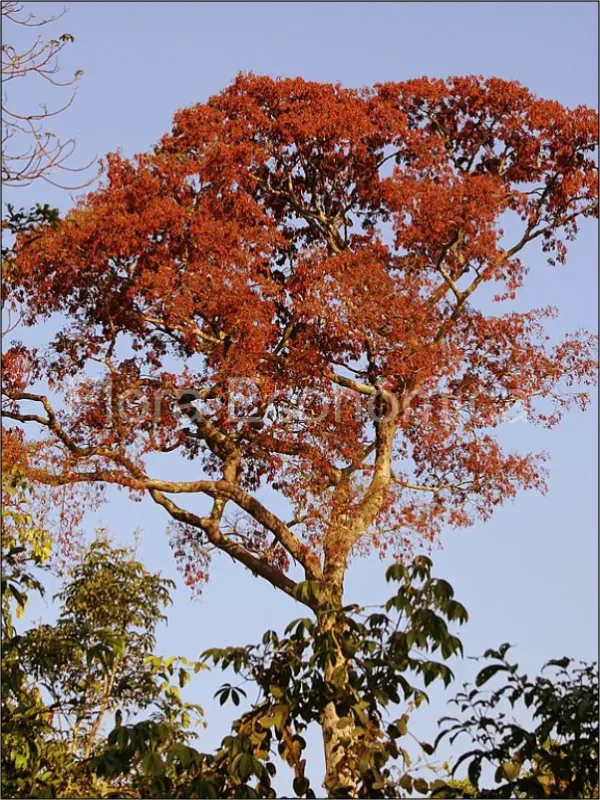
Description
Growing requirements
Hymenolobium petraeum is a prominent tree species belonging to the Fabaceae family, native to the tropical rainforests of South America, particularly within the Amazon basin.
The species thrives in well-drained, nutrient-rich soils and exhibits a remarkable ability to adapt to the acidic soil conditions commonly found in its natural habitat.
As a tropical plant, it requires a consistent climate with high annual rainfall and warm temperatures, which are essential for its vigorous growth and development.
Optimal light exposure is crucial for the establishment of saplings; therefore, managed forestry practices often involve canopy thinning to ensure sufficient sunlight reaches the forest floor.
The tree plays a significant role in nitrogen fixation, which contributes to the overall health and fertility of the ecosystem where it is planted.
Yield
The primary economic value of Hymenolobium petraeum lies in its high-quality timber, which is highly sought after for its physical strength and natural durability.
Its wood is extensively used in heavy construction, furniture making, and general carpentry, owing to its resistance to decay and environmental stress.
In addition to timber production, the species is frequently utilized in agroforestry projects to restore degraded lands and prevent soil erosion in tropical regions.
The rotation period for harvesting is long-term, requiring sustainable management strategies to maximize the yield of high-grade logs per hectare.
Strategic silvicultural practices, including proper spacing and early-stage weeding, are essential for achieving commercial maturity within the projected timeframe.