
Hymenolobium elatum
Hymenolobium elatum
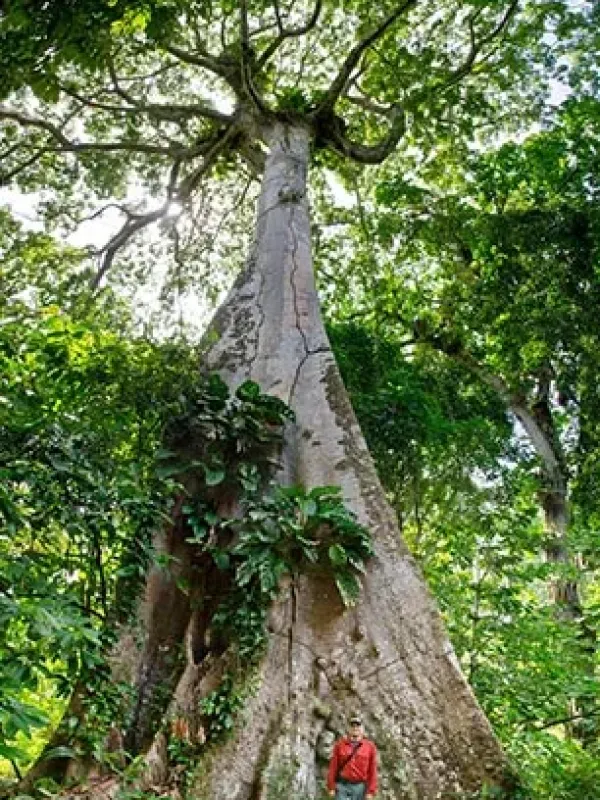
Description
Growing requirements
Hymenolobium elatum is a significant tropical tree species belonging to the Fabaceae family. It is native to the lush ecosystems of the Amazon basin, where it thrives in diverse tropical landscapes.
The cultivation of this species requires a hot and humid climate with abundant annual precipitation. It prefers deep, well-drained fertile soils that provide necessary nutrients while preventing waterlogging.
As a light-demanding species, it flourishes in open areas or managed forest gaps where solar radiation is sufficient for vigorous early growth. Adequate spacing is essential to ensure optimal canopy development.
Agronomic management involves selecting sites with appropriate topography to facilitate natural drainage. Once established, the tree demonstrates notable resilience to typical environmental stressors found in its native range.
This tree is recognized for its rapid growth rate under favorable conditions, making it an excellent candidate for reforestation projects and sustainable timber production in tropical regions.
Yield
The primary commercial interest in Hymenolobium elatum lies in its high-quality timber, commonly marketed as Angelim, which is highly sought after for its exceptional physical properties.
The wood is dense, heavy, and extremely durable, offering excellent resistance to decay, termites, and wood-boring insects. These characteristics make it a premium material for demanding structural applications.
Major uses include bridge construction, railway sleepers, heavy-duty flooring, and framing for exterior structures that require long-term resistance to the elements.
Beyond structural engineering, the timber is prized for its attractive grain and color, finding its way into high-end furniture manufacturing and specialized carpentry projects.
Sustainable yield management involves periodic harvest cycles, typically spanning several decades, to allow the timber to reach its full structural maturity and maximum market value.
Main diseases and pests
Threats to Hymenolobium elatum include various fungal pathogens that can affect the root system, particularly in poorly drained soils where stagnant water accumulates.
Insects, particularly wood-boring beetles, represent a significant risk to timber quality if the trees are not properly managed or if they are harvested prematurely.
Seedling blight and predation by local fauna in nurseries can significantly impact the survival rates of young plantations, necessitating early-stage protective measures.
Climate instability, such as prolonged drought cycles, can negatively influence the growth rate and overall vitality of the tree stands, making them more susceptible to secondary infections.
Maintaining biological diversity in plantations and adhering to strict silvicultural practices are the best strategies to minimize disease outbreaks and promote healthy development.