
Hymenolobium heterocarpum
Hymenolobium heterocarpum
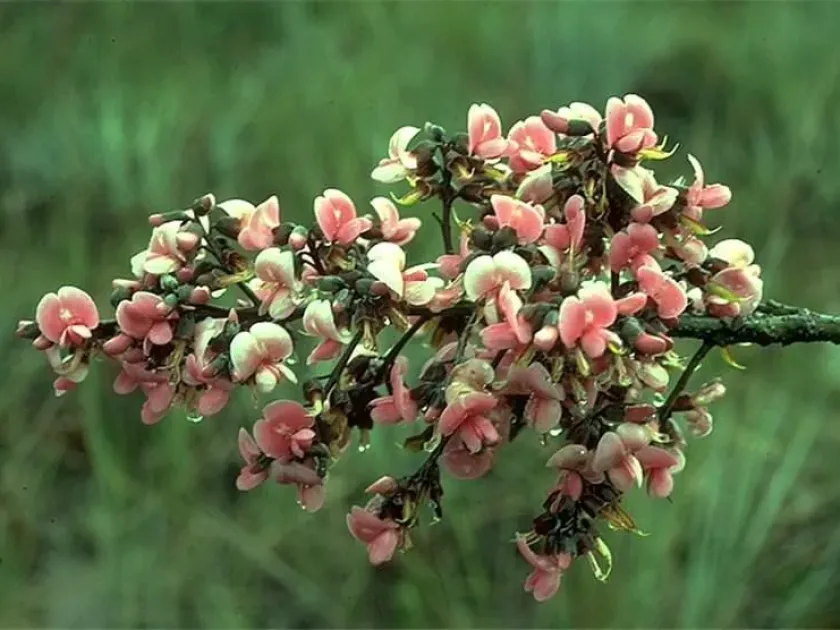
Description
Growing requirements
Hymenolobium heterocarpum is a large tree species belonging to the Fabaceae family, native to the tropical regions of South America, particularly the Amazon basin. It is a vital component of local forest biodiversity.
This species thrives in humid tropical climates characterized by high temperatures and significant annual rainfall. It requires well-drained soils, often preferring alluvial conditions where the tree can develop a deep and resilient root system.
As a light-demanding species in its adult stage, it typically occupies the canopy layer of the forest. Successful growth requires sufficient solar radiation, which facilitates the intense biomass production expected from such a large tropical tree.
Being a member of the legume family, Hymenolobium heterocarpum maintains a symbiotic relationship with nitrogen-fixing bacteria. This interaction is crucial for its survival on soils that might otherwise lack sufficient nutrient levels for such rapid growth.
Environmental requirements also include protection from extreme environmental disturbances. The species is highly sensitive to severe droughts or prolonged waterlogging, which can impede its development and overall longevity.
Yield
The primary economic value of Hymenolobium heterocarpum lies in its timber, which is highly regarded for its physical robustness and aesthetic appeal. It is frequently utilized in high-end carpentry and structural construction projects.
The wood is known for its durability and resistance to decay, making it an excellent candidate for outdoor structures and flooring. These properties ensure a high market demand for sustainably harvested timber from this species.
Beyond its timber value, the species plays a significant ecological role in its natural habitat by contributing to nutrient cycling. Its nitrogen-fixing capabilities help improve the soil quality for surrounding vegetation.
Sustainable forest management practices are essential to ensure the longevity of this resource. Proper harvesting intervals and reforestation efforts are critical to prevent depletion of the population in its native areas.
Research into the plantation potential of this tree focuses on maximizing yield while maintaining biodiversity. Through improved nursery practices, it is possible to produce stable stands suitable for both timber production and ecosystem restoration.