
Grevillea willisii
Grevillea willisii
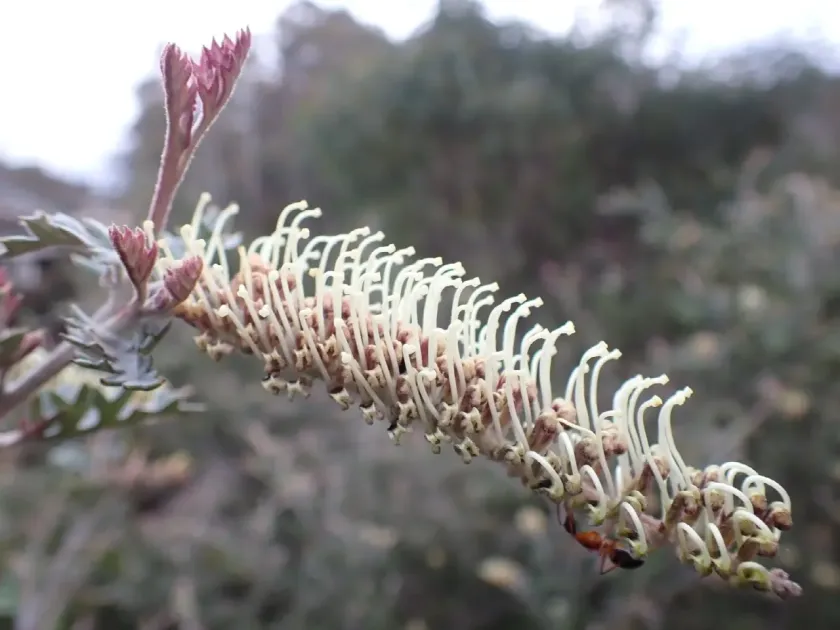
Description
Growing requirements
Grevillea willisii is a robust evergreen shrub belonging to the Proteaceae family, native to the mountainous regions of Victoria, Australia. It is highly valued for its striking, fern-like foliage and unique inflorescences that provide aesthetic appeal to landscapes.
The plant thrives in Mediterranean-like climates with mild winters and warm, dry summers. It is moderately frost-tolerant but requires protection against heavy frost and freezing temperatures, especially when the plant is in its juvenile growth stage.
Successful cultivation depends heavily on soil drainage. The species strictly requires well-draining, sandy or loamy soils with low phosphorus levels. Standard garden fertilizers should be avoided as they can cause severe toxicity to the roots due to the plant's sensitivity.
In terms of light exposure, Grevillea willisii prefers full sun to light shade positions. Adequate light is crucial for maintaining the plant’s dense, bushy structure and for encouraging successful blooming cycles throughout the active growth season.
Watering management is essential, particularly during the establishment phase. While the shrub is relatively drought-tolerant once established, it requires consistent moisture during dry periods without ever allowing the root zone to become waterlogged.
Main diseases and pests
Root rot, particularly caused by Phytophthora cinnamomi, remains the primary threat to the health of Grevillea willisii. This condition is almost exclusively induced by poorly drained soils or excessive watering practices.
Common pests include spider mites and scale insects, which often target stressed plants in poorly ventilated environments. Proper pruning, which improves airflow around the foliage, is an effective strategy to minimize pest and fungal pressure.