
Grevillea diminuta
Grevillea diminuta
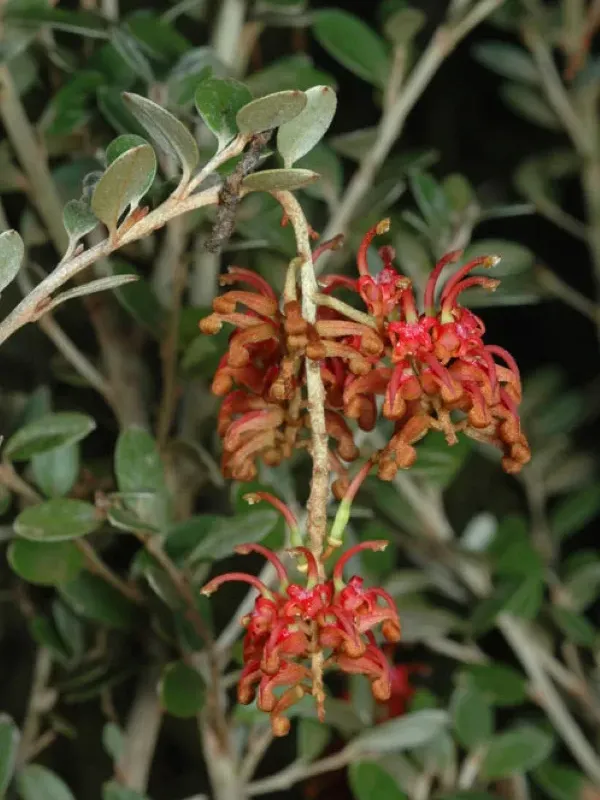
Description
Growing requirements
Grevillea diminuta is a small, evergreen shrub belonging to the Proteaceae family. Native to the alpine and sub-alpine regions of Australia, this species is highly valued for its hardiness and unique aesthetic appeal in ornamental horticulture.
The plant thrives in well-drained, acidic to neutral soils. It is particularly intolerant of heavy, waterlogged clay soils which restrict oxygen access to the roots. Proper drainage is the single most important factor for long-term health in cultivated environments.
Climate requirements for this species include full sun exposure to promote dense growth and prolific flowering. While it is tolerant of cold temperatures and frost, it requires protection from severe, prolonged freezing in regions outside its natural habitat.
Cultivation practices must be precise regarding fertilization. Like many members of the Proteaceae family, Grevillea diminuta is sensitive to high phosphorus levels. Using standard garden fertilizers can cause severe leaf scorch and eventual plant death.
Host plant utilization is primarily ornamental. It is an excellent choice for rock gardens, low-maintenance landscapes, or as a feature plant in container gardening, where its slow growth rate and compact structure can be showcased effectively.
Main diseases and pests
Phytophthora root rot is the most significant threat to this species in cultivation. It is primarily caused by poor drainage and excessive moisture, which create ideal conditions for fungal pathogens to colonize the root system and cause decay.
Insect pests, such as aphids and scale insects, may infest the foliage, especially in greenhouse or indoor environments. Control measures include manual removal or the use of light horticultural soaps, always ensuring the products are safe for sensitive native species.