
Grevillea arenaria
Grevillea arenaria
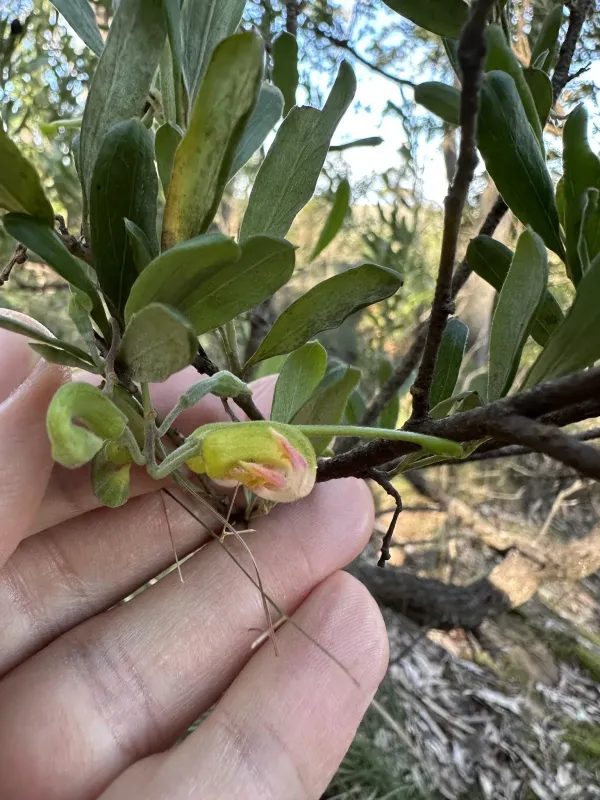
Description
Growing requirements
Grevillea arenaria, commonly known as the sandy grevillea, is a perennial shrub belonging to the Proteaceae family. Native to the diverse landscapes of Australia, this species has evolved to thrive in nutrient-poor environments and well-drained soils.
The plant exhibits high sensitivity to soil moisture levels. Its primary requirement is excellent aeration, meaning that in cultivation, one must prioritize sandy or gravelly soil mixes that prevent any water stagnation, which would prove fatal to its sensitive root system.
Sunlight exposure is crucial for Grevillea arenaria. To maintain its robust health and encourage seasonal blooming, the shrub requires full sun conditions. Shaded areas often result in leggy, weak stems and reduced overall vigor of the plant.
Temperature management is another key factor. While it is somewhat hardy, it thrives best in warm climates and requires protection from harsh, drying winds. In cooler regions, growers must treat it as a container plant that can be sheltered indoors during severe frost.
Fertilization must be approached with extreme caution. Like many plants in the Proteaceae family, Grevillea arenaria has evolved to cope with very low phosphorus levels. Standard commercial fertilizers often contain levels of phosphorus that can be toxic to this species.
Main diseases and pests
The most significant threat to the health of Grevillea arenaria is root rot, typically caused by Phytophthora species. These pathogens thrive in waterlogged, compacted soils where the root system cannot breathe.
Pests such as scale insects and mealybugs represent a common challenge, as they often hide in dense foliage and suck sap, weakening the plant's structural integrity and aesthetic appeal.
Fungal leaf spots can occur when the plant is kept in areas with poor airflow and high humidity, stressing the plant and leaving it susceptible to secondary infections.
Management strategies should focus on preventative care: selecting proper planting sites, ensuring excellent drainage, and avoiding overcrowding of plants to promote natural airflow.
When chemical interventions are necessary, organic-based or specialized treatments are preferred, as strong synthetic pesticides can sometimes cause phytotoxicity in this specific genus.