
Grevillea acanthifolia
Grevillea acanthifolia
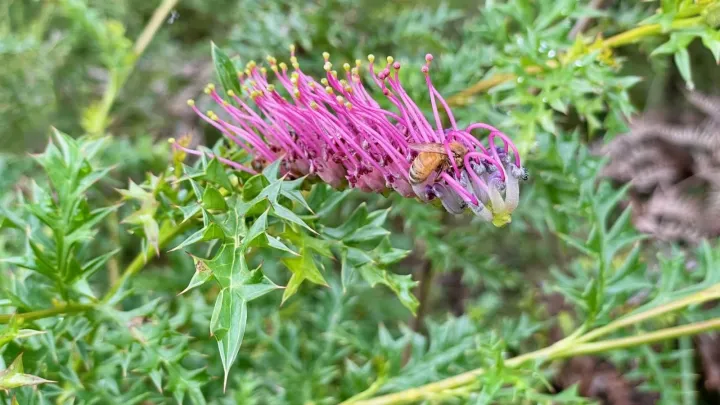
Description
Growing requirements
Grevillea acanthifolia is a distinctive evergreen shrub belonging to the Proteaceae family. It is native to the eastern parts of Australia, specifically inhabiting mountainous and swampy areas in New South Wales, where it thrives in diverse ecological conditions.
The plant is highly recognized for its fern-like, acanthus-shaped leaves and unique, brush-like inflorescences. These flowers, often in shades of pink or red, serve as an essential nectar source for local bird species, making the shrub a pillar of its native ecosystem.
Cultivation requires well-draining soil with a naturally acidic pH level. A critical aspect of managing this species is the strict avoidance of phosphorus-rich fertilizers, which are toxic to the plant's sensitive root system. Specialized fertilizers for native Proteaceae are recommended if nutrient supplementation is necessary.
Regarding climate, Grevillea acanthifolia prefers sunny and open positions. It is moderately frost-hardy but flourishes best in temperate conditions without extreme temperature drops. In colder regions, keeping the plant in large pots allows for easy transport into protected shelters during winter.
In landscaping, this species is highly valued for its texture and color. It is frequently employed in xeriscaping or as an ornamental hedge in Mediterranean climates, providing year-round structural interest in the garden through its foliage and seasonal blooming periods.
Main diseases and pests
Phytophthora root rot is the most significant threat to the health of this species. This pathogen thrives in waterlogged soils, making perfect drainage an absolute necessity. Avoiding water stagnation is the primary defense strategy against this destructive fungal issue.
Insects like scale insects and spider mites are common pests that may affect the plant under stress or in poorly ventilated indoor conditions. Maintaining good air circulation and monitoring the foliage regularly ensures early detection and efficient management of any potential pest infestations.