
Grevillea aspleniifolia
Grevillea aspleniifolia
Description
Growing requirements
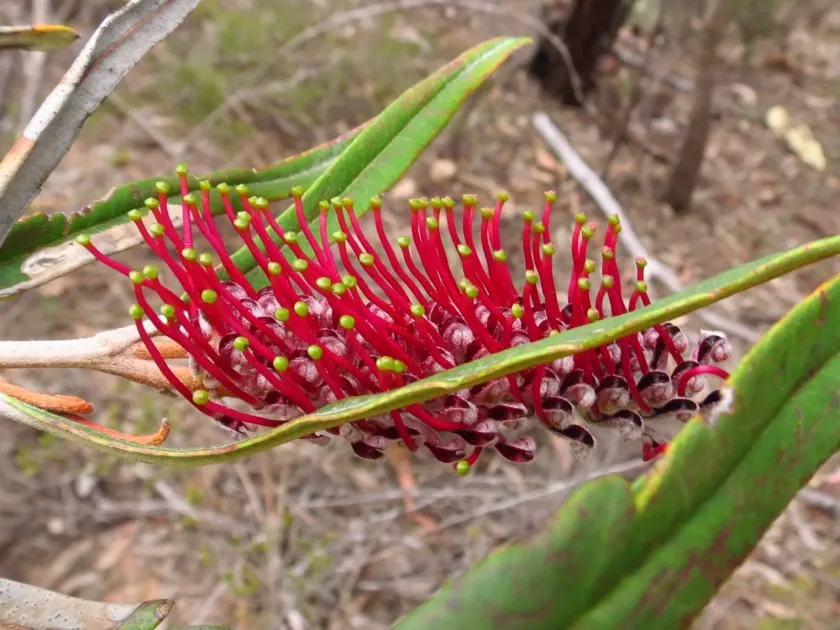
Grevillea aspleniifolia, commonly known as the fern-leaf grevillea, is a resilient evergreen shrub belonging to the Proteaceae family. Native to the rugged landscapes of New South Wales, Australia, this species is highly valued for its striking, deeply divided foliage that resembles fern leaves.
Cultivation requires well-drained soil, preferably of a sandy or rocky nature. Poor drainage is the primary cause of failure in agricultural settings, as the root systems are highly susceptible to moisture stress and fungal decay. Elevated planting mounds are often recommended to ensure optimal aeration.
The plant thrives in full sun, which is crucial for stimulating its flowering cycle and maintaining a dense, compact growth habit. It is generally hardy but requires protection from severe frosts in regions that fall outside its natural climatic range, making greenhouse cultivation common in colder areas.
Nutrient management is specialized for this species due to its adaptation to low-phosphorus soils. Application of high-phosphorus fertilizers can be fatal; therefore, growers must use specific slow-release fertilizers formulated for Australian natives to prevent toxicity and ensure healthy development.
Economically, Grevillea aspleniifolia serves as a significant ornamental asset. Beyond garden landscaping, the foliage is highly sought after by the cut-flower industry due to its long shelf life and unique texture, providing high-quality filler material for diverse floral arrangements.
Main diseases and pests
The most significant threat to the health of this culture is Phytophthora cinnamomi, a soil-borne water mold that causes root rot. Maintaining a strict drainage regime is the only effective prevention method, as curative treatments for established infections are often unsuccessful.
Pest management focuses primarily on sap-sucking insects like scale and mealybugs. These pests tend to colonize stems and leaves during periods of low plant vigor. Integrated pest management, including horticultural oils and biological control, is recommended for sustainable production and maintenance.