
Grevillea baueri
Grevillea baueri
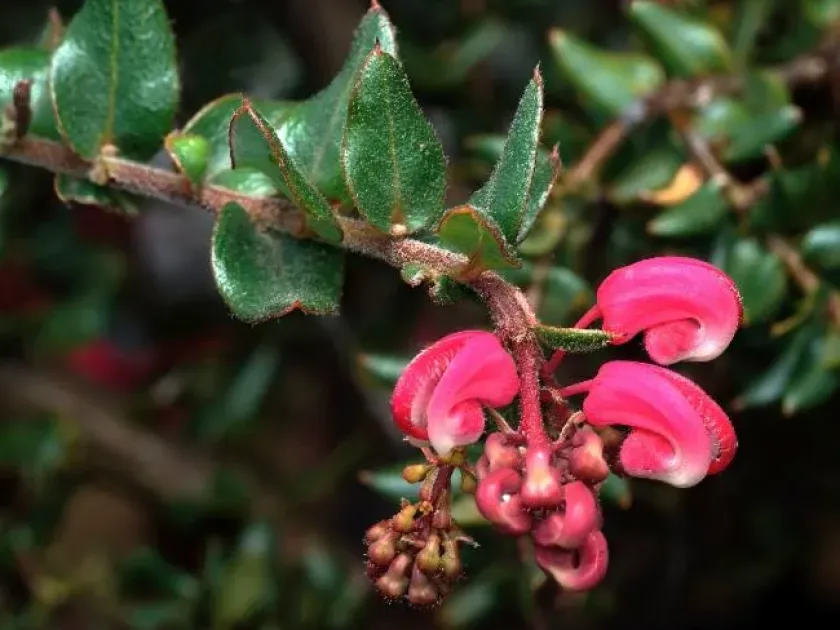
Description
Growing requirements
Grevillea baueri is a distinct member of the Proteaceae family, known for its elegant foliage and unique, spider-like flower clusters typical of the genus.
Originating from New South Wales in Australia, this shrub has adapted to rocky and sandy soil conditions, thriving in environments that provide excellent natural drainage.
The plant requires a sunny location to maintain its dense growth habit and to produce an abundance of blooms during its flowering season.
Soil management is crucial; it must be slightly acidic and phosphorus-deficient, as plants in the Proteaceae family are highly sensitive to standard commercial fertilizers.
In colder regions, this species is typically cultivated in pots or protected conservatory spaces to shield it from harsh frosts and sustained damp winter conditions.
Main diseases and pests
The primary horticultural challenge for Grevillea baueri is root rot, triggered by waterlogged conditions that occur when the soil lacks proper drainage.
Improper fertilization, particularly excessive phosphorus, is a common error that can lead to severe nutrient toxicity and subsequent plant decline.
Pest pressures often include spider mites and mealybugs, which are particularly prevalent if the plant is kept in low-ventilation indoor or greenhouse environments.
Biological control methods are preferred, such as maintaining strong airflow and avoiding overhead irrigation, which helps prevent fungal leaf spots.
Regular monitoring of the foliage is recommended to catch early infestations, ensuring that the plant remains healthy and resistant to physiological stressors.