
Grevillea striata
Grevillea striata
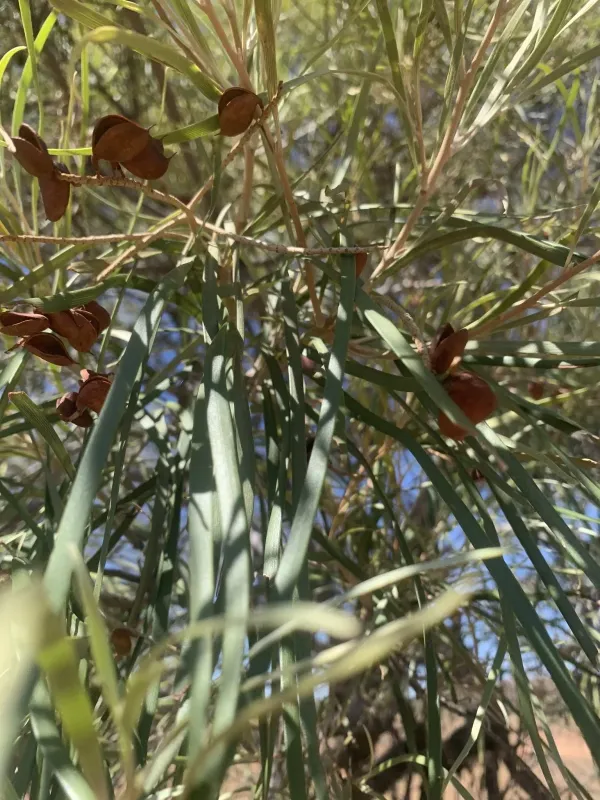
Description
Growing requirements
Grevillea striata, commonly known as beefwood, is a species of tree in the family Proteaceae, native to Australia. It is well-adapted to the varied conditions of the Australian landscape, thriving in environments that range from open woodland to arid semi-desert regions.
The tree requires well-drained soil and exhibits a specific intolerance to high levels of soil phosphorus. In cultivation, it is essential to provide a substrate that mimics its natural habitat, avoiding heavy fertilizers that can be toxic to the plant's sensitive root system.
Sunlight exposure is a critical factor for the growth of Grevillea striata. It demands full sun to develop a dense canopy and maintain its health. Shade is generally detrimental to the plant, causing sparse leaf distribution and reducing the capacity for photosynthesis.
Climate requirements for this species are primarily based on stability, preferring warm to hot conditions. While it possesses some degree of drought tolerance, the tree performs best in areas with sufficient moisture during the initial establishment phase, followed by periods of heat.
Agronomic practices for this species focus on minimal intervention. Due to its adaptation to nutrient-poor soils, the application of fertilizer should be carefully managed, or preferably avoided, to prevent root burn. Regular monitoring of the soil drainage is the most vital aspect of its care.
Main diseases and pests
The primary threats to Grevillea striata include root rot pathogens, specifically Phytophthora species, which thrive in waterlogged soil. Proper site selection and drainage management are the most effective preventative measures against these fatal infections.
Insects, particularly leaf-eating beetles and certain caterpillars, can affect young seedlings during their establishment phase. While mature trees are generally resilient, significant infestations on saplings can necessitate integrated pest management approaches.
Termites can pose a threat to the wood of older, stressed, or wounded trees. Ensuring the integrity of the tree bark is essential, as any physical damage can provide entry points for wood-boring insects and subsequent fungal decay.
Maintaining proper spacing between individual trees is crucial for preventing the spread of diseases. Good airflow within the planting site significantly reduces the probability of moisture-related fungal issues that can affect the foliage.
Any necessary pruning must be done with sterile tools to prevent the transmission of pathogens between individual specimens. Early detection of necrotic spots or abnormal discoloration on leaves allows for prompt action to protect the overall health of the plantation.
Harvesting
Grevillea striata is primarily utilized for its timber, which is highly valued for its distinctive grain and strength. The wood is often referred to as beefwood due to its deep red color, making it a sought-after material for fine furniture, turnery, and decorative art.
Beyond timber production, the tree serves as an important resource for local biodiversity. Its role as a nectar source makes it a vital component in supporting native pollinator populations, which contributes to the health of the broader ecosystem.
In environmental management, the species is used for erosion control. Its deep, wide-spreading root system helps stabilize soil in vulnerable areas, making it an excellent candidate for land reclamation projects and the creation of windbreaks in arid regions.
Landscape architects utilize this tree for its aesthetic appeal and low-maintenance requirements in water-sensitive designs. Its unique appearance makes it an ideal choice for dry-garden concepts, provided that adequate space for root growth is allocated.
Harvesting seeds for nursery propagation requires manual collection during the appropriate maturity phase of the follicles. Proper storage is necessary to maintain seed viability, as the embryos can be sensitive to fluctuations in moisture and temperature post-harvest.