
Grevillea semperflorens
Grevillea semperflorens
Description
Growing requirements
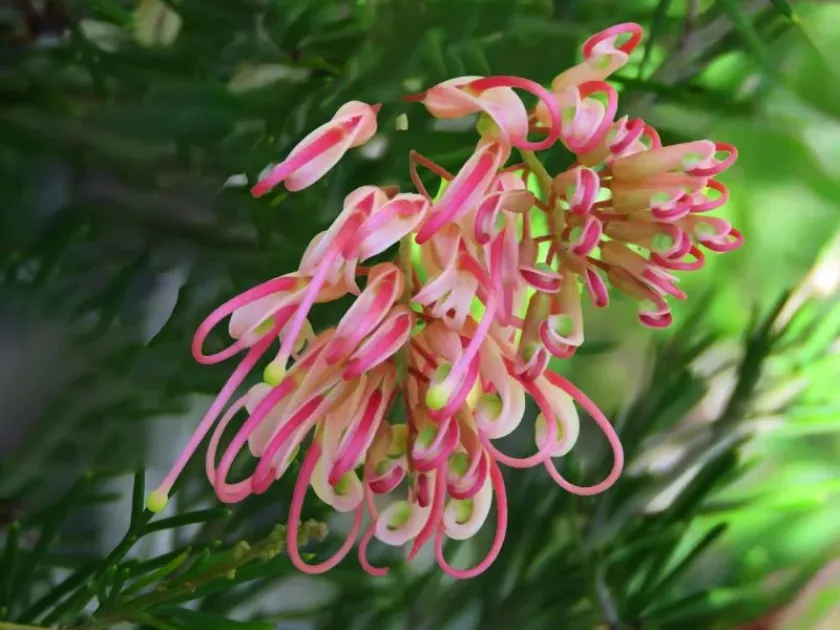
Grevillea semperflorens is a distinguished evergreen shrub belonging to the Proteaceae family. It is widely recognized in horticulture for its exceptional, continuous flowering habit and elegant, needle-like foliage, which adds year-round architectural interest to landscapes.
Originating from Australia, this species thrives in mild, Mediterranean-like climates. It prefers locations with full sun exposure, which is essential for stimulating the development of its signature flower clusters and maintaining a dense, healthy growth habit throughout the year.
Soil requirements for this plant are specific: it necessitates well-drained, slightly acidic to neutral soils. It is particularly sensitive to poor drainage and heavy clay soils, which can lead to root suffocation and subsequent decline of the entire plant structure.
Agronomic management involves careful irrigation, ideally using rainwater or low-mineral water, as the plant is sensitive to high phosphorus levels often found in standard fertilizers. A balanced approach to nutrition is vital for preventing toxicity and promoting vigor.
Pruning is a critical aspect of Grevillea husbandry. Regular, light pruning following the main flowering cycle encourages branching and maintains a compact, aesthetic form. This practice also prevents the plant from becoming excessively leggy or sparse over time.
Main diseases and pests
Common pests affecting Grevillea semperflorens include scale insects and spider mites, which thrive in sheltered or overly dry environments. Regular inspection and the application of horticultural oils or targeted insecticides can effectively manage these populations.
Root rot, primarily caused by Phytophthora species, is the most significant disease threat to this culture. It is almost always a result of poor soil drainage or excessive irrigation, highlighting the importance of proper site preparation before planting.
Nutritional imbalances, particularly iron or magnesium deficiencies, can manifest as interveinal chlorosis. Correcting the pH levels and utilizing chelated micronutrients can alleviate these symptoms and restore the plant's natural green color.
Fungal leaf spots may occasionally occur in high-humidity environments with poor air circulation. Improving spacing and pruning for better airflow is the primary cultural method for mitigating these minor, yet persistent, botanical issues.
Sustainable pest management should prioritize biological controls and good hygiene practices. Keeping the root zone clear of debris and ensuring the surrounding environment is conducive to the plant's health significantly reduces the need for chemical intervention.