
Grevillea ornithopoda
Grevillea ornithopoda
Description
Growing requirements
Grevillea ornithopoda is an evergreen shrub belonging to the Proteaceae family, native to the diverse landscapes of Western Australia. This plant is well-adapted to arid environments and sandy, well-drained soils, reflecting its evolutionary success in nutrient-poor ecosystems.
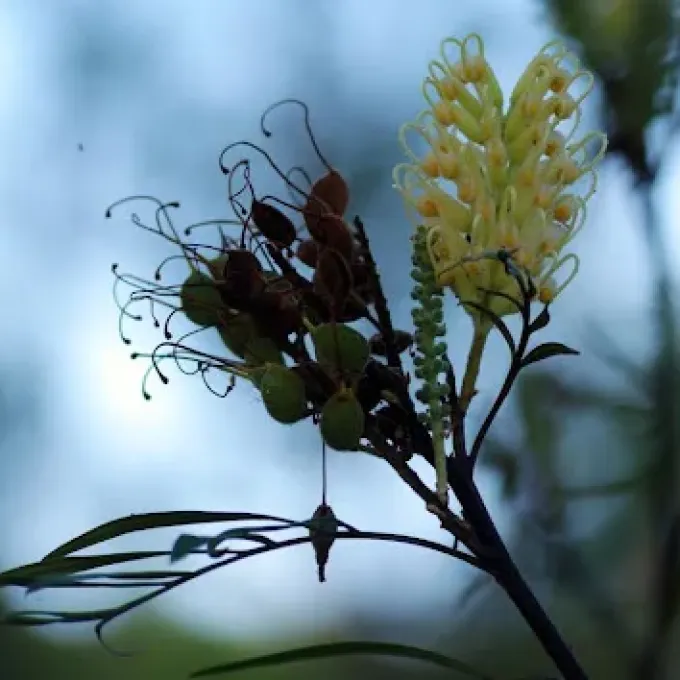
Botanically, it is recognized for its unique foliage, which displays deep, bird-foot-like serrations, providing the specific epithet ornithopoda. The flowers are typically arranged in showy spikes, serving as a vital nectar source for local fauna, which contributes to its ecological importance.
Regarding cultivation requirements, the plant demands excellent drainage. It thrives in soils with low fertility, as the roots are specialized to extract nutrients under harsh conditions. Any attempt to enrich the soil with high-phosphorus fertilizers can be toxic to the plant's delicate root system.
The climate must be mild to warm, ideally mimicking its native habitat. It does not tolerate prolonged frost or extreme humidity, which necessitates choosing protected sites or using greenhouse solutions in regions with temperate climates.
Watering should be minimal once the plant is established. Providing regular, light irrigation during the first year is sufficient; thereafter, the plant develops high drought tolerance, making it a sustainable choice for xeriscaping projects.
Main diseases and pests
Root rot caused by Phytophthora species is the primary biological threat to Grevillea ornithopoda. This soil-borne pathogen thrives in wet, heavy, or poorly aerated soils, often causing sudden wilting and death of the plant.
Pests such as scale insects and aphids can infest the branches, leading to stunted growth and the development of sooty mold on the foliage. Monitoring the plant's canopy periodically is essential for early detection and intervention.
Nutrient imbalances, particularly iron deficiency or toxicity from mineral fertilizers, can manifest as interveinal chlorosis. Maintaining the correct soil pH is crucial to ensure that micronutrients remain available for the plant to absorb properly.
Physical damage to the root system during weed control or transplanting significantly increases the risk of infection. Hand-weeding around the base of the shrub is recommended to avoid mechanical stress to the shallow root system.
Overall, maintaining the plant's health relies on replicating its natural environment: full sun exposure, sharp drainage, and avoiding unnecessary soil amendments that could alter its delicate biochemical balance.