
Grevillea mollis
Grevillea mollis
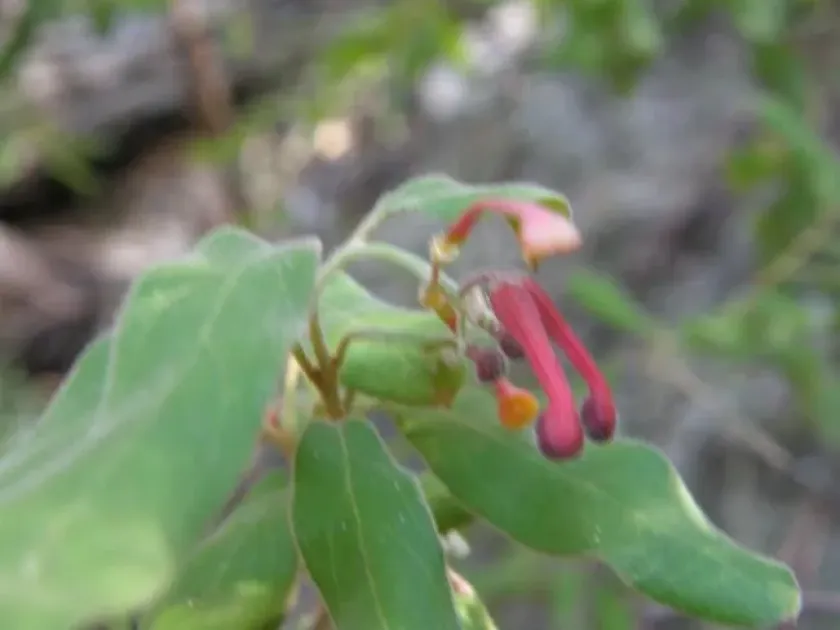
Description
Growing requirements
Grevillea mollis is a distinct shrub belonging to the Proteaceae family, native to specific regions of Australia. It is recognized for its unique, finely divided foliage that features a soft pubescence, giving it a delicate visual texture in any garden setting.
The cultivation requirements for this species are strict, focusing on well-draining, slightly acidic, sandy, or loamy soil. Grevillea species are generally intolerant of excessive phosphorus, so standard fertilizers must be avoided in favor of those specifically formulated for native Australian flora.
Climate needs include plenty of direct sunlight and mild temperatures. While the plant can withstand some drought once established, regular monitoring of soil moisture is essential to prevent root zone stress during the peak growing season.
Botanically, the plant produces complex inflorescences that are highly attractive to local pollinators. It requires a location with good air circulation to ensure that the foliage remains dry and free from humidity-related issues.
In terms of usage, Grevillea mollis serves primarily as an ornamental plant in landscape design. It is often used in rock gardens or as an architectural element in mediterranean-style landscapes where frost is not a major concern.
Main diseases and pests
The most significant threat to Grevillea mollis is root rot caused by Phytophthora species, which thrive in wet, poorly aerated soils. Preventing waterlogging is the most critical management strategy for any professional grower.
Pests such as scale insects and spider mites may target the plant, especially if grown in confined environments like greenhouses where air movement might be restricted.
Nutrient toxicity, specifically from high-phosphorus additives, can manifest as foliage dieback or overall plant decline, necessitating a precise nutrient management plan.
Fungal infections of the leaves can occur in humid climates, requiring a combination of cultural practices, such as proper spacing and strategic pruning, to allow for adequate ventilation.
Early detection of pests and pathogens allows for targeted control, significantly increasing the longevity and aesthetic value of the ornamental shrub in the field.