
Grevillea longifolia
Grevillea longifolia
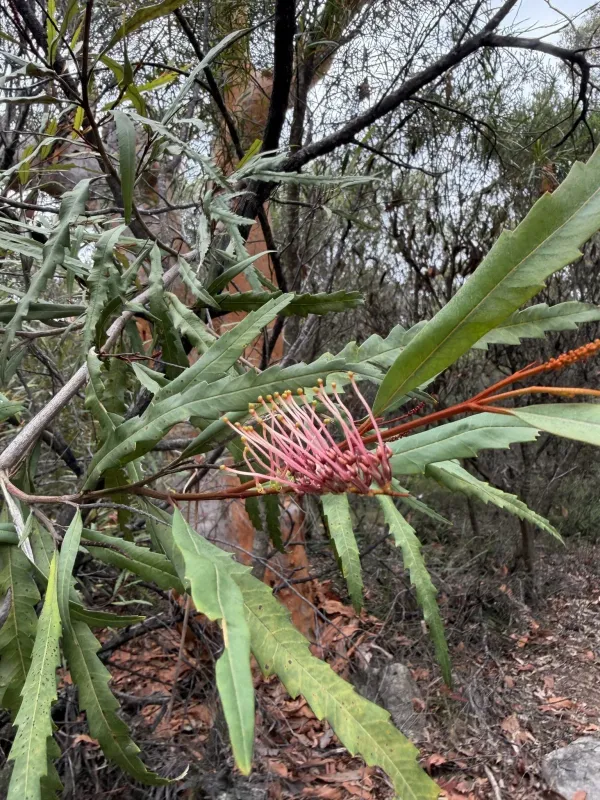
Description
Growing requirements
Grevillea longifolia, commonly known as the fern-leaf grevillea, belongs to the family Proteaceae. This species is native to the coastal regions of New South Wales, Australia, and is highly regarded in horticulture for its distinct, long, serrated foliage and unique flower spikes.
The plant requires well-drained, sandy, or gravelly soil to thrive. It is well-adapted to low-nutrient soils and is particularly sensitive to high phosphorus levels, which can cause toxicity and stunt growth, making soil testing essential before planting in new areas.
Climatic requirements involve full sun exposure to maintain the density of the foliage and promote optimal flowering. While it is reasonably hardy, it requires protection from severe frost, especially in the juvenile stages, and flourishes in Mediterranean-type climates.
Agricultural management requires careful pruning to maintain the plant's structural integrity. Regular light pruning after flowering encourages a bushy habit and prevents the plant from becoming leggy or top-heavy in windy environments.
The plant is extensively used for ornamental purposes in parks and private gardens. It serves as an excellent screen plant, a windbreak, and a focal point due to its ability to attract local bird life, which feeds on the nectar produced by its inflorescences.
Main diseases and pests
The most significant threat to Grevillea longifolia is root rot caused by Phytophthora species. This disease is exacerbated by poor drainage and excessive humidity, requiring strict control over irrigation and site selection for planting.
Insect pests, such as aphids, mites, and scale insects, may occur on new growth. Effective management involves monitoring and applying mild, targeted horticultural oils if infestations become heavy, while avoiding heavy pesticide use that could harm beneficial pollinators.