
Grevillea leptobotrys
Grevillea leptobotrys
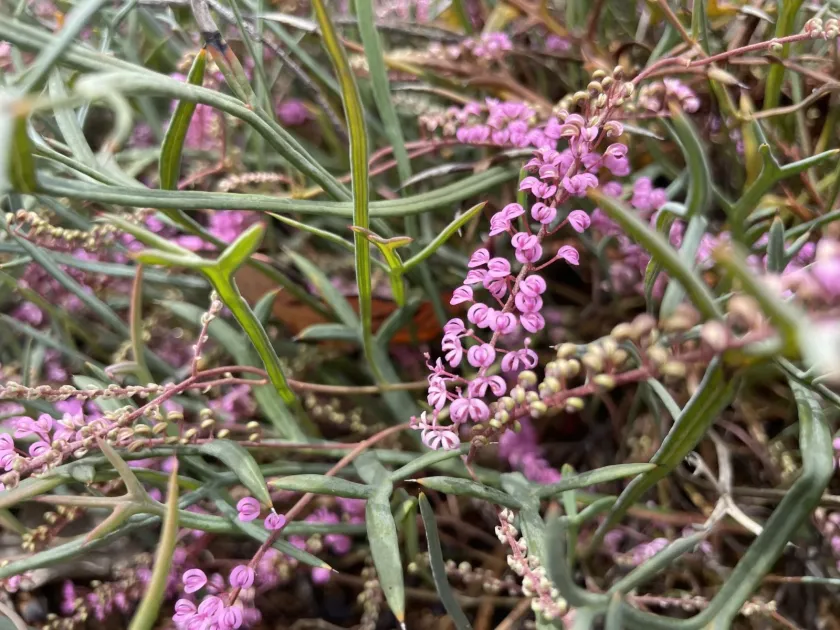
Description
Growing requirements
Grevillea leptobotrys is a low-growing shrub belonging to the Proteaceae family. Native to the southwestern regions of Western Australia, this species has adapted to survive in harsh, nutrient-poor sandy and rocky soil environments.
To successfully cultivate this species, it is essential to provide well-draining, sandy or gravelly soil. Like many Proteaceae, it is extremely sensitive to waterlogged conditions, which can quickly lead to root rot and systemic failure of the plant.
This shrub requires full sun exposure to thrive and maintain its compact, attractive growth habit. In temperate climates, it is best suited for greenhouse environments or as a potted specimen, as it lacks sufficient cold hardiness to survive frost.
The soil should ideally be slightly acidic to neutral. A critical factor in the cultivation of this species is the avoidance of standard fertilizers high in phosphorus, as these can be toxic to the plant, causing severe nutrient imbalance and physiological damage.
Botanically, it is a spreading shrub characterized by its intricate, deeply divided foliage and unique inflorescences. These flowers are highly adapted for attraction of specific pollinators, including local birds and insects in its native ecosystem.
Main diseases and pests
The primary threats to Grevillea leptobotrys include fungal pathogens such as Phytophthora root rot, which are triggered by excess moisture and poor drainage in the potting medium.
In enclosed cultivation environments, the plants are susceptible to spider mites, especially when air humidity is low and temperatures are elevated. Scale insects and mealybugs can also infest young, tender shoots.
Preventative care relies on strict adherence to watering regimes and ensuring excellent air circulation around the canopy. When applying chemical treatments, extreme caution is advised, as foliage may be sensitive to certain surfactants and concentrated pesticides.
Maintaining a healthy, stress-free microclimate is the most effective way to prevent pest outbreaks. Early detection allows for physical removal or the application of mild horticultural oils rather than harsh systemic chemicals.
Integrated pest management protocols should prioritize biological controls wherever possible to prevent the potential phytotoxicity associated with heavy chemical intervention in sensitive Australian native plant species.