
Grevillea jephcottii
Grevillea jephcottii
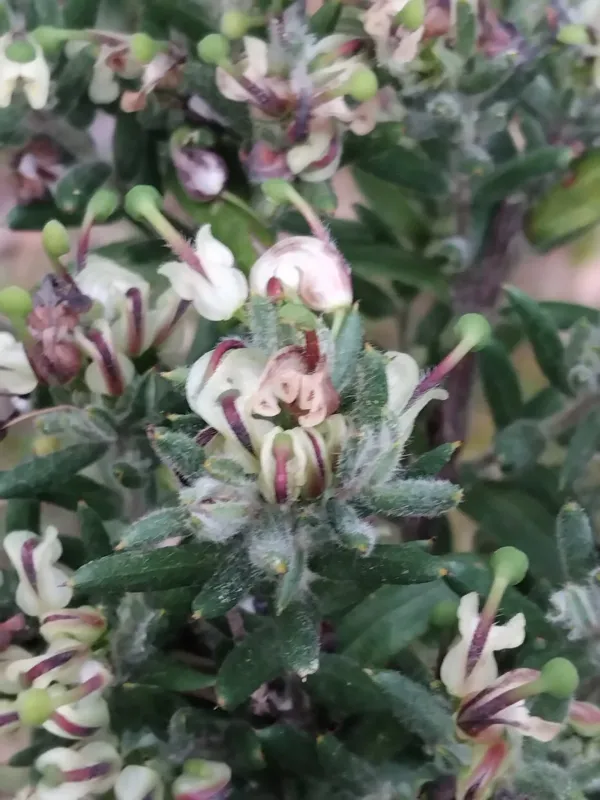
Description
Growing requirements
Grevillea jephcottii is a remarkable evergreen shrub belonging to the Proteaceae family. It is a rare species endemic to specific regions of Victoria, Australia, known for its unique aesthetic and biological resilience.
The plant requires well-draining soil to thrive. It is highly sensitive to root rot, so incorporating gravel or sand into the soil medium is essential if the natural terrain is clay-heavy or prone to waterlogging.
Optimal growth is achieved in sunny positions with plenty of airflow. While it demonstrates significant drought tolerance once established, consistent watering during the initial growth phase is necessary for the root system to penetrate deep into the soil.
Botanically, it features tough, needle-like or narrow foliage that helps it endure the harsh Australian environment. The flowers are distinctive and typical of the genus, providing nectar that serves as a vital resource for local birds.
In terms of usage, this plant is primarily ornamental. It is an excellent choice for xeriscaping or native gardens where low-maintenance and visually striking shrubs are desired to add structure and color.
Main diseases and pests
The most serious threat to Grevillea jephcottii is Phytophthora root rot, a fungal pathogen that targets the root system in conditions of high humidity and poor drainage.
Pests such as scale insects and spider mites may occasionally infest the plant, particularly in sheltered or poorly ventilated growing environments where natural predators are absent.
A crucial agronomical aspect is the plant's extreme sensitivity to phosphorus. Growers must avoid standard fertilizers, as the high phosphorus content can cause rapid chlorosis and decline of the foliage.
Disease management relies heavily on preventative measures. Ensuring adequate sunlight exposure and avoiding over-watering are the best strategies to maintain the long-term health of the shrub.
Routine inspection of the leaves and stems allows for early detection of potential infestations, enabling prompt intervention before the pest population expands significantly.