
Grevillea iaspicula
Grevillea iaspicula
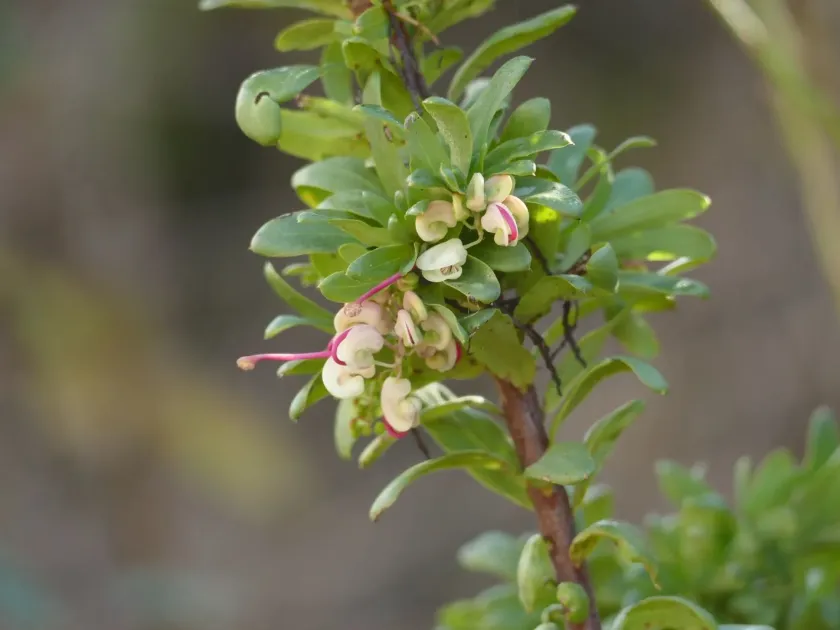
Description
Growing requirements
Grevillea iaspicula is a rare evergreen shrub belonging to the Proteaceae family. Native to a very specific, limited area within the state of Victoria in Australia, it typically inhabits limestone hill slopes, which defines its preference for specific substrate conditions.
Botanically, it is recognized for its dense habit and narrow foliage. The plant produces distinctive flowers that are adapted for bird pollination, making it a valuable addition to naturalistic landscape designs that aim to support local biodiversity.
In terms of cultivation, the primary requirement is excellent soil drainage. Grevillea iaspicula cannot tolerate waterlogged conditions, as its root system is highly susceptible to root rot pathogens. Light, rocky, or sandy soils are ideal for mimicking its natural habitat.
This species is highly heliophilic and thrives in full sun, which is essential for maintaining a compact shape and promoting consistent flowering. It possesses a moderate level of cold tolerance, although it is best protected from severe frosts and excessive humidity.
The agronomic management of this plant is straightforward but requires caution regarding nutrition. Specifically, fertilizers must be low in phosphorus, as the plant has evolved to extract nutrients from nutrient-poor Australian soils and can be poisoned by standard fertilizers.
Main diseases and pests
Root rot caused by Phytophthora species is the most significant threat to this plant. It is almost always a result of poor soil aeration and water accumulation, necessitating a proactive approach to soil preparation and irrigation management.
In terms of pests, scale insects and spider mites can occasionally pose a risk, particularly in stressed plants. Maintaining proper airflow and monitoring the foliage regularly are the best practices to prevent these infestations from becoming problematic.