
Grevillea hilliana
Grevillea hilliana
Description
Growing requirements
Grevillea hilliana, commonly known as White Silky Oak, is a robust evergreen tree belonging to the Proteaceae family. Native to the rainforests of Queensland and New South Wales, it thrives in warm, humid environments with stable climate conditions.
The tree requires well-drained, fertile soil for optimal growth. It is highly sensitive to phosphorus levels, a common trait in many Proteaceae species, and therefore requires specialized fertilizers that are low in phosphorus to prevent root toxicity.
Climate requirements include high ambient humidity and protection from extreme temperature fluctuations. While it can withstand periods of light drought once established, regular irrigation is essential during the early stages of development and during prolonged dry spells.
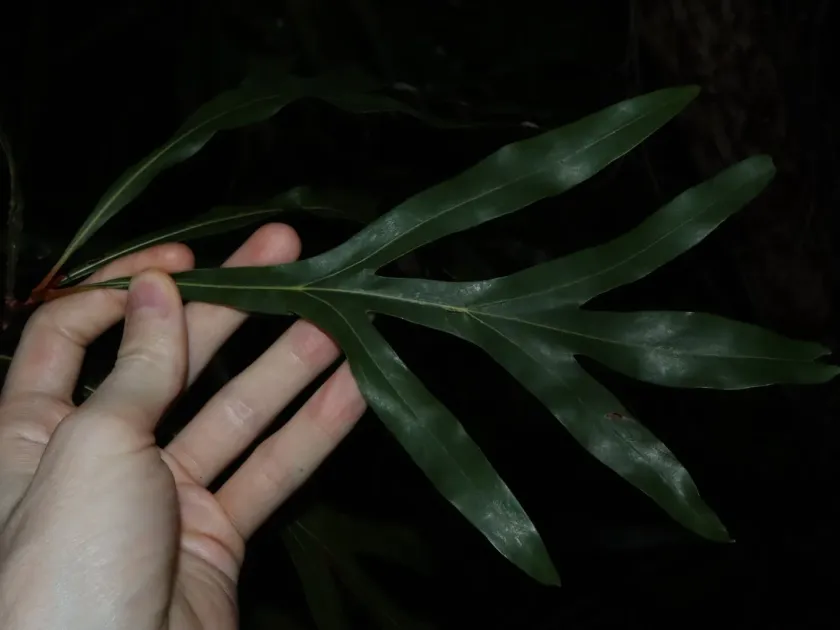
Botanically, Grevillea hilliana is characterized by its distinct leaf shape, which shifts from deeply lobed in juvenile trees to entire, elongated leaves in mature specimens. The tree produces attractive, creamy-white spikes that serve as a nectar source for local pollinators.
In forestry and landscaping, the species is valued for both its ornamental appeal and its high-quality timber. The wood is prized for its attractive grain and durability, making it a sought-after material for fine furniture and decorative woodwork projects.
Main diseases and pests
Root rot caused by Phytophthora species represents the most significant threat to Grevillea hilliana, especially in poorly drained soils. Implementing proper drainage systems is the primary method of preventing these devastating fungal infections.
Scale insects and mealybugs are the most frequent pests affecting the foliage. Early detection through regular canopy inspections and the application of horticultural oils can effectively manage these populations without causing long-term damage to the tree.
Environmental stress, such as waterlogging or nutrient imbalance, significantly increases the tree's susceptibility to secondary pathogens. Maintaining proper soil health and avoiding over-fertilization are critical components of an effective plant protection strategy.
Fungal leaf spots can occur in environments with low airflow or persistent humidity. Providing sufficient spacing between trees and performing regular pruning to open up the canopy helps maintain a healthy microclimate around the foliage.
Weed management around the base of the tree is crucial to ensure that the root system is not competing for essential nutrients. Clean management practices prevent the accumulation of pests and diseases that can jump from weeds to the tree.