
Grevillea guthrieana
Grevillea guthrieana
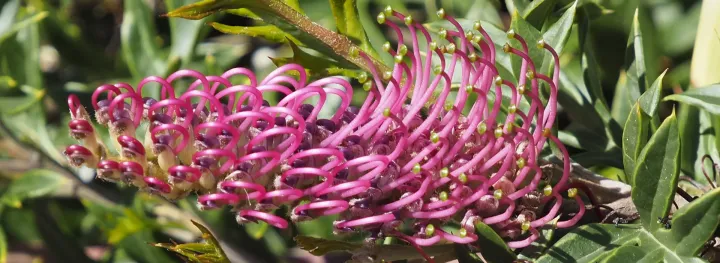
Description
Growing requirements
Grevillea guthrieana is a rare species of evergreen shrub belonging to the Proteaceae family. Native to a very restricted range in New South Wales, Australia, it is considered a significant botanical specimen within the diverse flora of the Australian continent.
Botanically, this shrub is recognized for its unique foliage and specialized inflorescences that have evolved to interact with local pollinators. Its growth habit is compact, making it a specialized component of the scrublands where it naturally occurs.
The climatic requirements for this species include temperate conditions without severe frost. It thrives best in locations that provide high levels of solar radiation while maintaining adequate airflow to keep the plant canopy healthy and dry.
Soil quality is a critical aspect of its cultivation. It requires extremely well-draining, slightly acidic soil. The species is notably sensitive to high levels of phosphorus, which is a common trait among many Proteaceae members, and thus requires specialized fertilizer management.
Its primary use today is in the context of botanical conservation. By maintaining populations in controlled environments, researchers hope to ensure the species' survival, as its natural habitat remains vulnerable to environmental shifts and external pressures.
Main diseases and pests
The primary threat to Grevillea guthrieana is the fragmentation of its natural habitat. Human activity, such as land clearing and infrastructural development, continues to jeopardize the few remaining wild clusters of this plant.
Regarding agricultural or garden threats, root rot remains the most lethal issue. Over-irrigation or inadequate drainage in the potting mix quickly leads to fungal infections, which are often irreversible and fatal to the plant.
Pests such as scale insects and spider mites can occasionally affect the plant's health. Early detection and the application of environmentally safe horticultural oils are typically recommended to manage these infestations without harming the delicate plant tissues.
Invasive weed species pose a secondary threat by competing for sunlight, water, and nutrients. This competition can stifle the growth of younger plants, making it difficult for the species to naturally regenerate in its native environment.
Environmental factors, including altered fire regimes and long-term droughts, significantly impact the survival of existing individuals. Careful conservation management is essential to mitigate these natural and human-induced threats.