
Grevillea glauca
Grevillea glauca
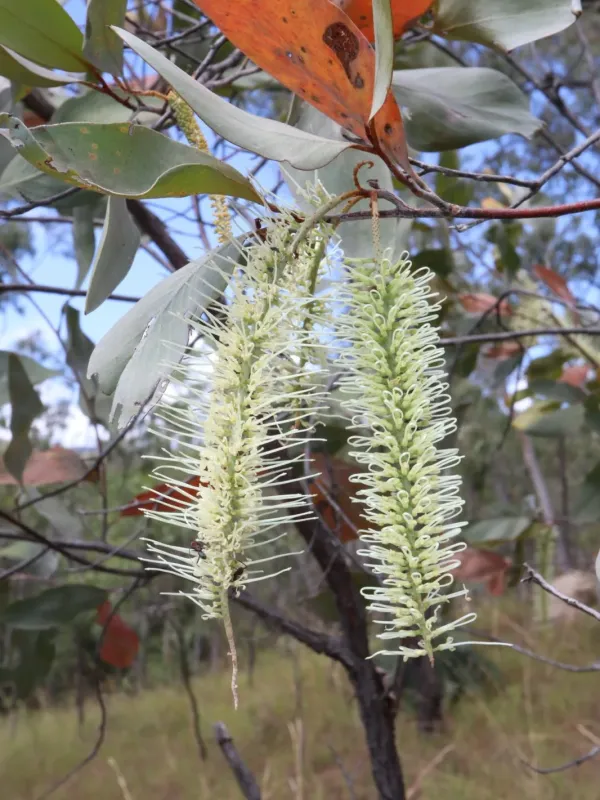
Description
Growing requirements
Grevillea glauca is a notable species within the Proteaceae family, recognized for its resilient nature and distinctive foliage. Originating from the tropical and subtropical regions of Australia, this plant has adapted to survive in challenging environments characterized by high solar irradiance and nutrient-deficient soils.
The botanical structure of the plant features leathery, glaucous leaves that serve as an evolutionary adaptation to arid conditions. These structures minimize transpiration, allowing the species to maintain physiological functions even during periods of limited precipitation.
Regarding soil requirements, Grevillea glauca demands excellent drainage and a low-phosphorus environment. Unlike many commercial crops, this species is highly intolerant of synthetic fertilizers containing high levels of phosphorus, which can lead to rapid nutrient toxicity and plant failure.
The climate requirements favor stable temperatures typical of its native range. The species thrives in sunny locations with well-aerated soil substrates. Proper air circulation around the canopy is essential to prevent moisture accumulation and the subsequent development of fungal pathogens.
In terms of economic utility, the plant is valued in nursery production for its aesthetic qualities and use in landscaping. Furthermore, its ability to stabilize poor-quality soils makes it a useful component in regional restoration projects and sustainable agroforestry initiatives.
Main diseases and pests
Root rot, primarily caused by Phytophthora species, represents the most significant threat to the health of Grevillea glauca. This pathogen is highly opportunistic in environments where drainage is compromised or irrigation management is poor, often resulting in total crop loss.
Pest populations, including scale insects and aphids, can cause substantial damage to the terminal buds and foliage. Implementing a proactive monitoring strategy and utilizing targeted, low-toxicity insecticides is recommended to maintain plant vigor throughout the growing season.
Fungal leaf spot diseases may appear during periods of high humidity or excessive overhead irrigation. These infections can be minimized by avoiding leaf wetting and ensuring that the planting density allows for adequate light penetration and wind movement through the rows.
Over-fertilization, specifically with phosphate-based compounds, is a major non-biological threat that can induce physiological stress and weaken the plant's natural defense mechanisms. Agronomists must ensure strict adherence to fertilizer protocols to prevent long-term damage to root systems.
Physical damage to the root system during cultivation practices can predispose the plant to soil-borne infections. It is advised to use non-intrusive weed management techniques, such as applying organic mulch, to preserve root integrity and promote healthy establishment.