
Grevillea dryandroides
Grevillea dryandroides
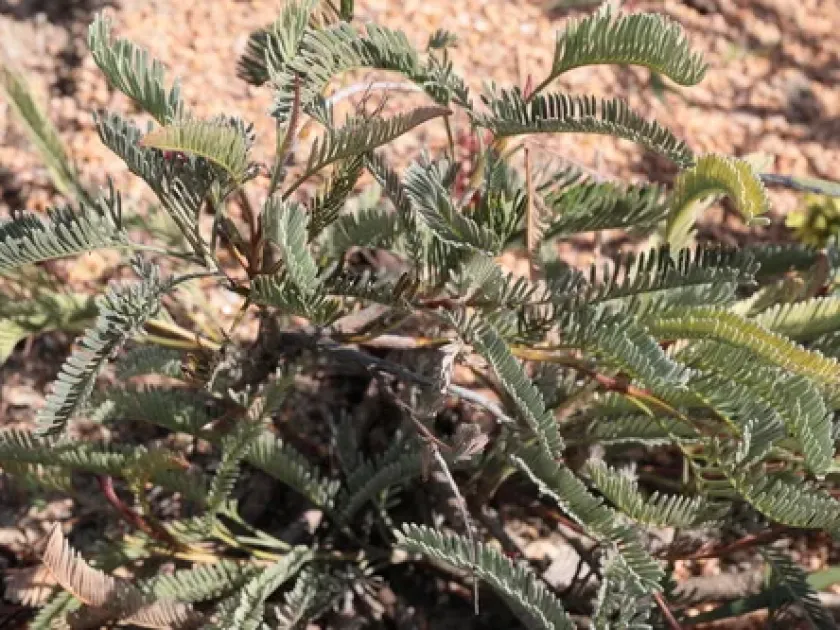
Description
Growing requirements
Grevillea dryandroides is a remarkable perennial shrub native to the arid and semi-arid regions of Western Australia. It belongs to the diverse Proteaceae family, known for its distinct inflorescences and specialized adaptation to low-nutrient soils.
The plant exhibits a prostrate or low-growing habit, making it an excellent candidate for specialized rock gardens. Its foliage is finely divided, reflecting its natural evolution in harsh, sun-drenched environments with high drainage needs.
To cultivate this species successfully, one must prioritize soil quality. It thrives exclusively in well-drained, sandy soils. Any significant accumulation of moisture in the root zone is highly detrimental and often lethal.
Regarding climate, the plant requires maximum solar exposure to thrive. While it is tolerant of dry spells once established, young plants need consistent monitoring to ensure they do not undergo extreme dehydration during the first growing season.
Nutrient management is a critical aspect of its care. It is imperative to avoid phosphorus-rich fertilizers, as the roots of this species are evolutionarily adapted to phosphorus-poor landscapes and can be easily damaged by high-nutrient inputs.
Main diseases and pests
Phytophthora root rot is the most serious threat to Grevillea dryandroides. This soil-borne pathogen thrives in wet, warm conditions and can devastate entire populations if proper drainage is not maintained throughout the cultivation area.
Insects like mealybugs and spider mites can become problematic in sheltered or indoor environments where natural predators are absent. These pests suck nutrients from the leaves, causing structural weakness and loss of vigor.
Improper soil pH levels can lead to micronutrient deficiencies, particularly iron chlorosis. This condition causes the green pigment in leaves to fade, eventually reducing the plant’s photosynthetic capacity and overall health.
Poor air circulation is a common cultural mistake that encourages fungal infections. Ensuring the plant is situated in an open area with sufficient breeze helps to keep the foliage dry and minimizes the risk of pathogens.
Regular monitoring for symptoms of environmental stress is essential. Early detection of leaf discoloration or wilting allows the grower to adjust watering schedules or soil management practices before irreversible damage occurs.