
Grevillea dimorpha
Grevillea dimorpha
Description
Growing requirements
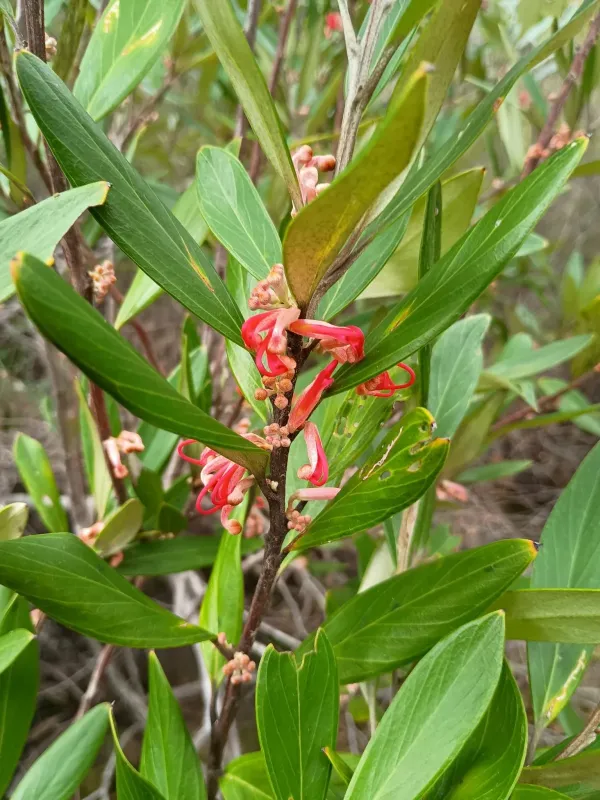
Grevillea dimorpha is an evergreen shrub belonging to the Proteaceae family, native to the Australian continent. It is recognized for its unique foliage and distinct floral morphology, which are characteristic of this resilient species in its natural habitat.
This plant is biologically adapted to nutrient-poor soils, specifically those deficient in phosphorus. Attempting to fertilize it with standard garden blends can cause severe physiological stress, as the roots are highly specialized for phosphorus-limited environments.
Regarding soil requirements, the substrate must provide excellent aeration and drainage. Heavy, waterlogged clay soils are unsuitable and will quickly lead to root rot. A mix of sand, peat, and organic matter is typically recommended for container-grown specimens.
Climate needs involve full sun exposure to maintain compact growth and encourage flowering. While the plant can tolerate brief periods of cool temperatures, it is not frost-hardy in colder climates and should be protected during winter months.
In landscaping, Grevillea dimorpha is utilized for its ornamental value. It serves as an excellent specimen plant in xeriscaping or Mediterranean-style gardens, contributing to a diverse botanical aesthetic with its unique structure and growth habit.
Main diseases and pests
The primary threats include root rot pathogens, which thrive in stagnant, poorly drained environments. Ensuring the substrate does not stay saturated is the most effective preventative measure against these deadly soil-borne diseases.
Pest pressures often include sap-sucking insects such as scale insects and aphids, particularly when plants are grown in sheltered or indoor environments. Periodic inspection and localized treatment are essential for maintaining the health of the foliage and shoots.