
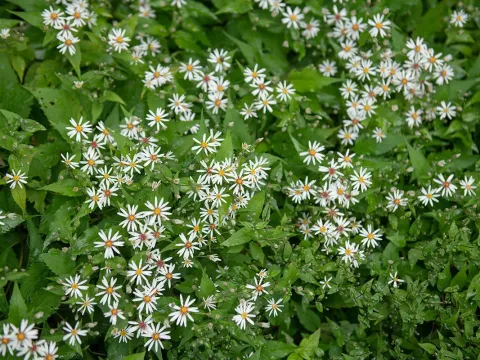
Eurybia
Eurybia
Eurybia is a genus of herbaceous perennial plants belonging to the Asteraceae family. Often confused with the genus Aster in historical taxonomy, these plants have been reclassified based on distinct morphological and molecular characteristics that set them apart.
What the section contains


Eurybia
Native to North America and parts of Eurasia, these plants exhibit significant adaptability to diverse environments. They are widely distributed across various habitats, ranging from open meadows to the forest edges, demonstrating their natural robustness.
The successful cultivation of Eurybia requires well-drained, fertile soil that maintains a consistent moisture level without becoming waterlogged. While they prefer full sunlight to achieve optimal blooming, they are capable of tolerating partial shade in warmer climates.
Management practices for this crop include consistent irrigation during dry spells and the application of organic mulch to regulate soil temperature. These measures ensure healthy vegetative growth and prepare the plants for their late-season flowering period.
The primary use of Eurybia is in ornamental horticulture. It is highly regarded by gardeners and landscape architects for its late-blooming nature, which provides essential late-season resources for pollinators when other flora has already faded.
Eurybia is susceptible to several common fungal pathogens, with powdery mildew being the most prevalent. This issue is typically exacerbated by poor air circulation and high humidity levels during the mid-summer months.
Pests such as aphids and leaf miners can occasionally infest the foliage, impacting both the aesthetic quality and the vigor of the plant. Monitoring for early signs of infestation is crucial to maintain a healthy stand.
Cultural control methods, such as proper spacing and the prompt removal of infected debris, are effective strategies to mitigate disease spread. Avoiding overhead irrigation can also significantly reduce the incidence of fungal outbreaks.
Root rot is a potential risk if the soil does not provide adequate drainage. Ensuring the site is appropriately prepared before planting is the best preventative measure against soil-borne pathogens and moisture-related stress.
Integrated Pest Management (IPM) practices, including the use of natural predators and selective treatment with biopesticides, are recommended to preserve the local ecological balance while protecting the crop from seasonal threats.