
Schreber's aster
Eurybia schreberi
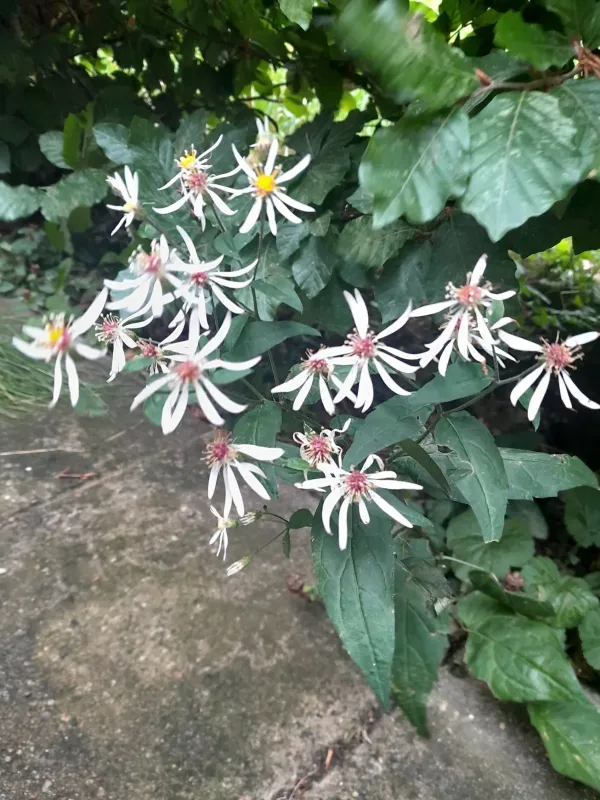
Description
Growing requirements
Schreber's aster (Eurybia schreberi) is a perennial herbaceous plant belonging to the Asteraceae family. Historically classified within the genus Aster, this species is noted for its ability to thrive in forest settings and shaded garden environments.
Native to North America, the plant naturally grows in woodlands and along forest edges. Its biological adaptation to filtered sunlight makes it an excellent choice for landscape architects looking for robust ground-cover options in challenging shaded areas.
Cultivation requirements involve maintaining moist, nutrient-rich soil that is well-drained. While it is adaptable to various soil types, organic matter enrichment helps the plant reach its full potential in height and foliage density.
Regarding climate, this species is highly hardy and can withstand cold winters effectively. The agricultural management requires minimal intervention beyond watering during periods of prolonged drought to ensure the soil moisture remains consistent.
In gardening and horticulture, Schreber's aster is primarily valued for its aesthetic appeal and ground-covering habit. It effectively stabilizes the soil in shady garden beds and provides a delicate floral display during its blooming season.
Main diseases and pests
The primary concern for Eurybia schreberi in damp environments is powdery mildew. This fungal issue occurs when there is inadequate airflow or excessive humidity, requiring proper spacing between individual plants to mitigate the risk.
Insects like aphids and spider mites may occasionally infest the plants, particularly if the specimen is already stressed by dry conditions or nutritional imbalances. Early detection and treatment with horticultural oils or mild insecticides are recommended.
Root rot is a critical threat that stems from waterlogged soil. Ensuring proper drainage is essential for the longevity of the plant, as stagnant water promotes the growth of pathogens that destroy the root system.
Slugs and snails can also pose a threat to young, tender foliage during the spring growing season. Gardeners often use organic barriers or traps to prevent these pests from causing significant damage to the developing clusters.
Regular maintenance, including the removal of debris and spent foliage at the end of the year, is a vital agricultural practice. This reduces the habitat for overwintering pests and prevents the spread of potential diseases for the following season.