
Bigleaf aster
Eurybia macrophylla
Description
Growing requirements
Eurybia macrophylla, commonly known as the bigleaf aster, is a perennial herbaceous plant belonging to the Asteraceae family. Historically classified under the genus Aster, this species is now recognized for its unique botanical profile and distinct growth habits.
The plant is native to the woodlands of North America, where it thrives in shaded or semi-shaded environments. This evolutionary history makes it an excellent choice for gardens that receive filtered light rather than constant direct exposure to the sun.
Successful cultivation requires soil that is rich in organic matter and maintains consistent moisture. While it prefers moist soil, it requires excellent drainage to ensure that the root system remains healthy and free from the threat of anaerobic conditions.
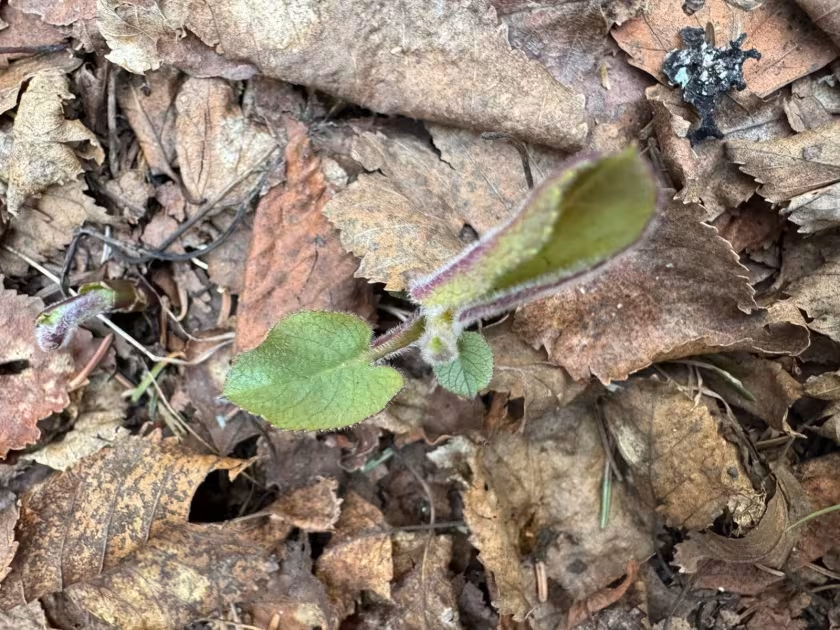
It is a highly adaptive species that performs well in a wide variety of temperate climates. During the early spring season, the plant develops large, heart-shaped basal leaves that provide excellent ground cover, effectively suppressing the growth of unwanted weeds.
Maintenance involves minimal intervention beyond ensuring the soil does not dry out completely during extreme heat. Applying a thin layer of compost in the autumn helps to feed the plant and protects the crown during the colder winter months.
Main diseases and pests
Powdery mildew is the most significant disease threat to Eurybia macrophylla, particularly in humid or stagnant air environments. Providing adequate spacing between plants is the primary strategy to prevent this fungal issue from spreading through the foliage.
Leaf spot diseases can also occur if the humidity levels remain consistently high over long periods. Proper garden hygiene, such as removing fallen debris and thinning out dense clusters, remains the most effective way to manage these potential infections.
Slugs and snails are frequent pests that target the tender leaves, especially in the early spring. Gardeners should implement integrated pest management techniques, such as using physical barriers or traps, to protect the developing vegetative parts of the plant.
Aphids can occasionally colonize the flower buds, causing stunted development. If necessary, these can be controlled with mild soap sprays or by encouraging natural predators such as ladybugs to populate the garden area.
The overall longevity of a bigleaf aster planting is improved by keeping the garden clean and well-aerated. By minimizing environmental stress, the plants maintain their natural resistance to most pathogens and continue to provide dense ground coverage year after year.