

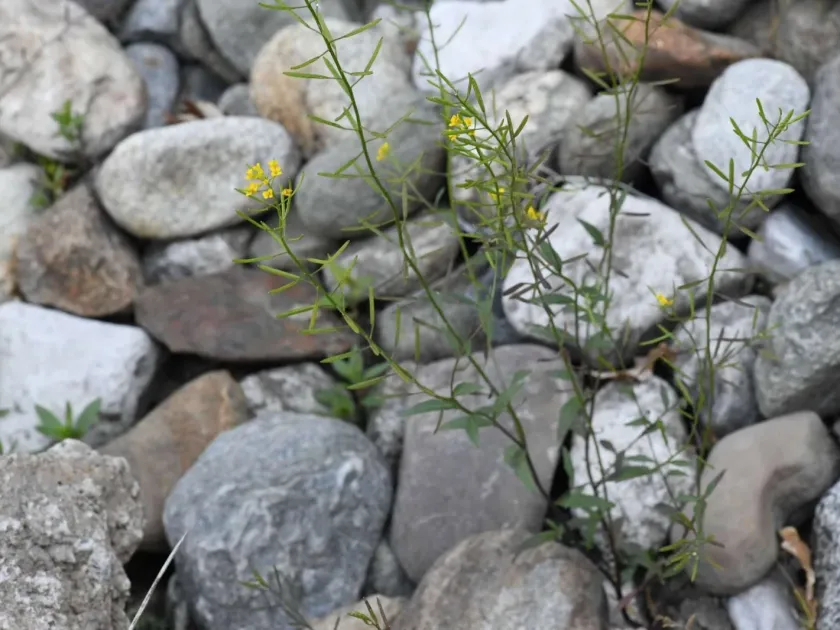
Description
Sowing dates
Treacle mustard (Erysimum cheiranthoides) is a plant species from the Brassicaceae family. It is typically sown in early spring or autumn, depending on the climatic zone and specific agricultural objectives.
The seeds are exceptionally small, requiring a shallow planting depth of approximately 0.5 cm. Proper soil contact is vital for uniform germination, which often involves light rolling of the soil surface.
High seed quality and purity are essential, as the species can easily be confused with other cruciferous weeds. Growers should source certified seeds to avoid introducing unwanted flora into the field.
Sowing rates are calibrated to ensure an optimal plant density, preventing excessive competition while maximizing biomass production. Dense stands tend to reduce the incidence of weed invasion within the crop.
In regions with harsh winters, sowing is often deferred to early spring to avoid early-season frost damage on delicate seedlings, which might otherwise cause crop failure.
Growing requirements
This crop thrives in well-drained, moderately fertile soil types. It performs best in loam or sandy loam soils that possess a neutral to slightly alkaline pH level.
Sufficient sunlight is a critical requirement, as treacle mustard is a heliophilic plant. Exposure to full sun is necessary for the optimal accumulation of secondary metabolites, such as cardiac glycosides.
Water management is crucial during the vegetative growth phase. The plant requires consistent moisture but is highly intolerant of waterlogged conditions, which can lead to rapid root decay.
Nutrient supply should be balanced, with a focus on potassium and phosphorus levels to ensure structural integrity and plant health. Excessive nitrogen can lead to succulent growth that is more prone to pest damage.
The plant demonstrates good adaptability to varied climates but performs optimally in temperate zones. Avoiding extreme heat during the flowering phase is beneficial for maintaining raw material quality.
Yield
The yield of treacle mustard is primarily focused on the aerial parts (herbage). Harvesting is performed at the peak of the flowering phase to ensure the maximum concentration of active pharmaceutical compounds.
Mechanical harvesting is generally employed, with cutters adjusted to harvest above the soil line. This ensures the harvested material is clean and free from soil contamination.
Post-harvest processing involves immediate drying in controlled conditions to prevent degradation. Temperatures during drying are carefully monitored, typically not exceeding 45 degrees Celsius.
The economic viability of the crop depends on the successful management of biomass weight and the specific concentration of glycosides required by the pharmaceutical industry.
Yields can vary significantly based on environmental conditions, such as rainfall patterns during the growing season. Proper storage of dry mass is essential to maintain high market standards.
Main diseases and pests
Like many Brassicaceae crops, treacle mustard faces threats from common pests such as flea beetles, which can cause significant damage to young seedlings.
Aphids and various weevils can also impact the growth and development of the plant. Monitoring and early intervention are key components of an integrated pest management strategy.
Fungal diseases are a persistent risk, especially in high-humidity environments. Powdery mildew and clubroot are among the most significant threats to crop health and final yield.
Sanitation practices, including crop rotation and the removal of plant debris, are recommended to reduce pathogen and pest pressure. Biological control agents may be used as a safer alternative to chemicals.
- Flea beetles
- Aphids
- Powdery mildew
- Clubroot
- Grey mold
Harvesting
Harvesting is a time-sensitive operation, performed when the majority of the flowers are open. Delaying the harvest can result in fruit formation, which changes the chemical composition of the plant.
The crop is typically cut and moved to drying facilities promptly. Preventing the accumulation of moisture and heat in the harvested biomass is critical to avoiding spoilage.
Effective sorting procedures are implemented post-harvest to remove foreign material and debris, ensuring compliance with the stringent quality standards of the drug industry.
Post-harvest field cleanup is essential for preventing the carry-over of pests into subsequent seasons. Tillage practices help to break the life cycle of soil-borne threats.
Final packaging of the raw herbal material is done in ventilated containers, which protects the product from dampness while ensuring shelf stability during transport and storage.
Content graph
Connections · Treacle mustard
Most often together:
Marketplace
Products · 7


Granstar Pro 75
«Дюпон Інтернешнл Оперейшнз Сарл», Швейцарія
Herbicides
0
0
·
61
1 offer
0.29 €per pack
Buy
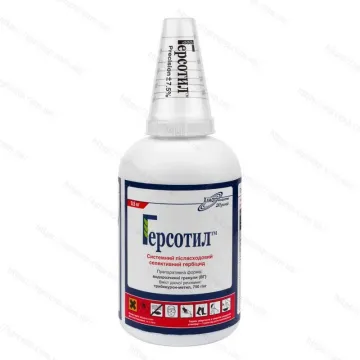

Gerositol w.r.g., (tribenuron-methyl, 750 g/kg)
Sunrise Agrochemical Co., Ltd.
Herbicides
0
0
·
29
2 offers
22.19 €per 1 l
Buy

Webb, VG (tribenuron-methyl, 750 g/kg)
Nanjing Red Sun
Herbicides
0
0
·
27
4 offers
15.44 €per 1 l
Buy
