
Erysimum heritieri
Erysimum heritieri Kuntze
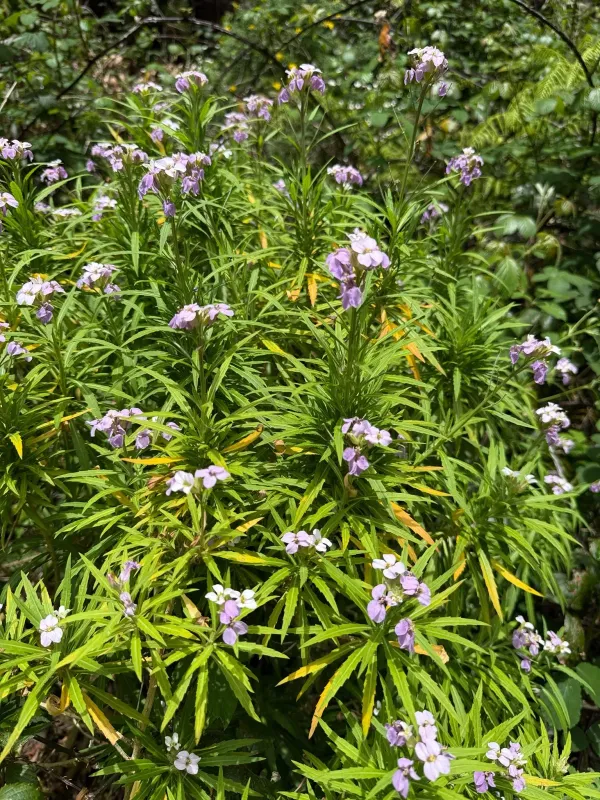
Description
Growing requirements
Erysimum heritieri is a perennial flowering plant belonging to the Brassicaceae family. It is endemic to the Canary Islands, specifically found in the rocky habitats of Tenerife, where it thrives in specialized microclimates.
The plant requires well-drained, sandy, or rocky soil to prevent root rot. Proper aeration is crucial for the root system development, as the plant is evolved to cope with low-nutrient, volcanic soils common in its natural range.
Climate-wise, this species demands high light intensity and moderate temperature ranges. It is not cold-hardy and should be protected from frost if cultivated in non-native, cooler climates.
Botanically, it is characterized by greyish-green, pubescent leaves and vibrant yellow inflorescences. These adaptations reflect its evolutionary path towards surviving in arid, high-altitude coastal conditions.
While often used for ornamental purposes in rock gardens, its potential in agriculture lies in the biochemical profile, particularly the synthesis of cardiac glycosides often found within this genus.
Main diseases and pests
The primary threats include soil-borne pathogens such as Pythium and Phytophthora, which flourish if the moisture levels are not strictly managed. These cause rapid decay of the taproot.
Pests such as cabbage aphids are common, especially during the spring growth flush. They feed on the sap of young, tender leaves, leading to stunted growth and leaf distortion.
Fungal leaf spots can occur when air circulation is poor, particularly in damp environments. Regular pruning and spacing are essential practices to maintain healthy airflow through the foliage.
Integrated pest management (IPM) is highly recommended for this crop to minimize the use of synthetic chemicals that could affect the quality of the harvested botanical material.
Monitoring the soil pH is vital, as micronutrient deficiencies caused by poor nutrient uptake can leave the plants vulnerable to opportunistic bacterial infections.