
Erysimum heritieri
Erysimum heritieri Kuntze var. heritieri
Description
Growing requirements
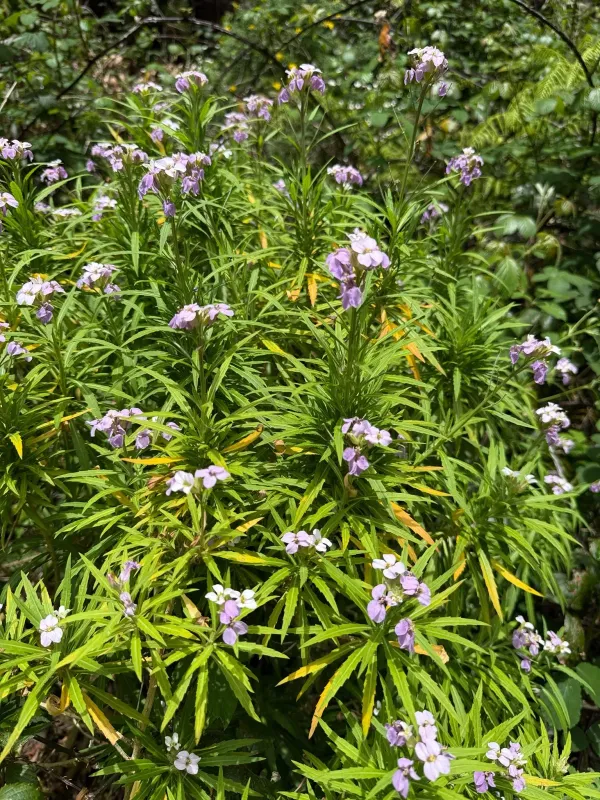
Erysimum heritieri is a perennial herbaceous plant belonging to the Brassicaceae family. Originating from the specific microclimates of the Canary Islands, this species is well-adapted to rocky and volcanic terrains, demonstrating significant resilience to harsh environmental conditions.
The crop requires full solar exposure to achieve optimal physiological development. High light intensity is essential for the synthesis of secondary metabolites within the plant tissues, which are often the target for specialized agricultural and pharmacological use.
Soil requirements for Erysimum heritieri focus primarily on excellent drainage and aeration. The plant thrives in sandy or gritty substrates that do not retain excess moisture, as waterlogging is the primary cause of root failure in this species.
Climatic adaptability of the plant is centered on temperate zones. It performs best in regions where extreme frost is rare, although it can survive short-term temperature drops due to its native mountainous origin where altitude moderates the heat.
Agricultural management should prioritize a low-nitrogen fertilization strategy to prevent overly succulent growth, which can make the plants susceptible to structural damage or pest infestation. Instead, phosphorus and potassium should be provided to support root health and winter hardiness.
Main diseases and pests
Cruciferous flea beetles represent the most significant pest pressure for this crop, particularly during the early vegetative stages. Damage is typically manifested as small holes in the foliage, which can stunt the growth of young plants.
Aphids are frequent pests that colonize the inflorescences, causing curling and potential loss of yield. Early intervention using integrated pest management strategies, such as the introduction of natural predators, is recommended for sustainable production.
Fungal pathogens such as Fusarium and Alternaria can become problematic if the planting environment lacks adequate air circulation or if humidity levels remain consistently high. Proper spacing between rows is critical to mitigate these risks.
Root rot, driven by stagnant water, is a persistent threat that requires constant attention to soil hydrology. Installing a raised bed system or ensuring a sloped site can prevent the accumulation of moisture around the root neck.
Weed management is also vital, as Erysimum heritieri does not compete well with vigorous annual weeds. Mechanical weeding during the initial development phases ensures that the crop receives sufficient nutrients and light without unnecessary competition.