
Erysimum bicolor
Erysimum bicolor (Hornem.) DC.
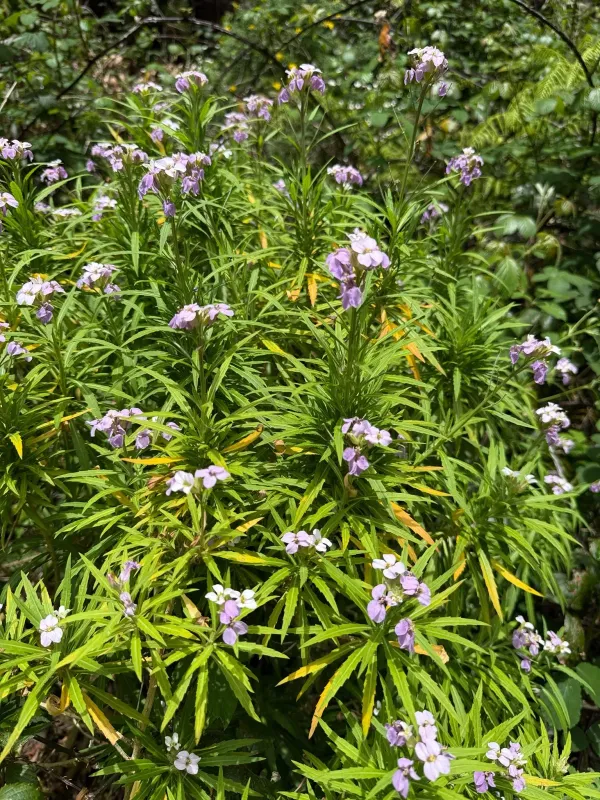
Description
Sowing dates
Erysimum bicolor, a member of the Brassicaceae family, is typically grown as a perennial crop. Sowing is best planned for early spring when soil temperatures reach the 5-8°C range, allowing for consistent germination of the small seeds.
The seeds should be sown at a shallow depth of approximately 1-2 centimeters. Achieving good contact between the seeds and the soil is essential, which is why lightly rolling the soil surface after sowing is highly recommended for better moisture retention.
Autumn sowing is a viable alternative in many regions. By sowing in late October, seeds can undergo natural stratification, leading to earlier and more vigorous germination when temperatures rise in the spring.
Maintaining proper row spacing, typically between 30 and 45 centimeters, is critical for crop management. This space is necessary to facilitate mechanical weeding and ensure optimal air circulation throughout the field, reducing the risk of fungal outbreaks.
The seeding rate should be calibrated based on the germination rate of the seed batch, generally falling between 4 and 6 kilograms per hectare. Proper calibration prevents overcrowding, which is a major factor in suppressing plant health and yield potential.
Growing requirements
This crop thrives in sunny, well-drained conditions. It is particularly well-suited to light, sandy loam soils with a neutral to slightly alkaline pH. Excess soil moisture or heavy clay soils prone to waterlogging should be strictly avoided.
Erysimum bicolor displays excellent hardiness, making it adaptable to various climate zones. However, for maximum productivity, it requires ample sunlight and should be placed in areas that do not suffer from shade caused by nearby trees or buildings.
Nutrient management is essential for this crop, especially the application of phosphorus and potassium during the early growing phases to support strong stem development and subsequent flower production.
While the plant is relatively drought-tolerant, supplementary irrigation during the critical flowering phase significantly enhances both the biomass and the seed yield. Adequate moisture management ensures that the plant can fully express its potential.
Strict adherence to crop rotation principles is mandatory for sustainable production. Avoiding fields previously planted with other Brassicaceae species prevents the build-up of host-specific pests and soil-borne diseases that can jeopardize the crop.
Yield
The economic value of Erysimum bicolor is largely derived from its pharmacological potential, specifically due to the presence of active cardiac glycosides in its tissues. The peak concentration of these compounds is typically reached during full bloom.
Harvesting for biomass should be timed precisely with the flowering stage to ensure the highest yield of active ingredients. Rapid drying of the harvested material is required immediately after collection to maintain the quality of the medicinal compounds.
Seed production is an important secondary objective. Proper management, including consistent weeding and soil moisture control, results in stable yields of oil-bearing seeds over several seasons, provided the plant is managed as a perennial.
Field maintenance after harvest is vital for plant longevity. Removing crop residues and light fertilization before winter helps the plants recover and successfully survive the dormant season, ensuring a robust growth start in the following year.
The overall productivity of this crop is influenced by how effectively the grower mitigates competition from weeds and how well the soil structure is maintained through consistent mechanical cultivation between the rows.
Main diseases and pests
The most significant threat to young Erysimum bicolor plants is the crucifer flea beetle. These pests can decimate a stand within days during the seedling stage, making vigilant monitoring and early intervention essential for survival.
Fungal diseases, including downy mildew and clubroot, are common challenges in wet or poorly drained environments. Ensuring good field drainage and maintaining adequate plant spacing are the best cultural controls against these threats.
Pests like the rape blossom beetle can cause damage to the floral parts, potentially reducing seed yield. Integrated pest management strategies, emphasizing biological controls or targeted applications, are preferred over broad-spectrum pesticides.
Soil-borne pathogens represent a persistent risk, necessitating strict adherence to field sanitation and the removal of infected plants immediately upon discovery. Healthy soil biology and proper pH management act as natural defenses for the crop.
- Crucifer flea beetles.
- Rape blossom beetles.
- Clubroot (Plasmodiophora brassicae).
- Downy mildew.
- Aphids.