
Siberian Wallflower
Erysimum x allionii hort.
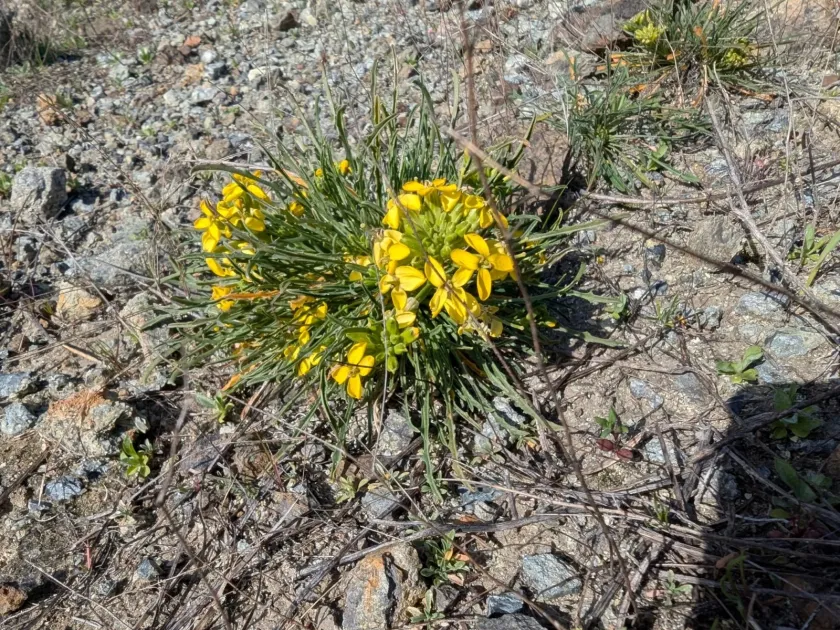
Description
Sowing dates
Siberian Wallflower is typically grown as a biennial. The optimal time for sowing seeds outdoors is from late spring to early summer, allowing the plants to establish a sturdy leaf rosette.
Seeds should be sown in prepared, well-drained soil at a shallow depth, as they require sufficient light for uniform and successful germination.
Maintaining consistent soil moisture is crucial during the germination phase, which usually lasts about two weeks under favorable temperature conditions.
Once seedlings have developed their true leaves, they should be transplanted to their final location in late summer, ensuring adequate spacing between individual plants.
For early spring flowering, some growers prefer to start seeds in indoor trays during late winter, provided the plants are hardened off before the final outdoor planting.
Growing requirements
Belonging to the Brassicaceae family, the Siberian Wallflower thrives in full sun exposure, which is essential for achieving the most vibrant and dense floral displays.
The plant prefers light, sandy, or well-drained loamy soils. It is highly intolerant of waterlogged conditions, making proper soil drainage a top priority for successful cultivation.
The species is quite adaptable to various climate conditions but performs best in regions with moderate temperatures and good air circulation to prevent overheating.
It maintains its health best in soils with a neutral pH level. If the soil is overly acidic, the addition of lime is recommended prior to the planting phase.
Regular but moderate watering is necessary during the growing season; however, overwatering should be strictly avoided to protect the plant from root rot.
Main diseases and pests
Common diseases affecting this crop include clubroot and powdery mildew, often occurring when environmental conditions are too humid or when crop rotation is neglected.
Flea beetles are the most significant pest, frequently attacking the foliage of young plants and causing severe damage if not managed early in the growing cycle.
Aphids and various species of cabbage worms can also pose a threat, as they feed on the plant tissues and interfere with healthy bud formation during the spring.
Integrated pest management strategies, including the use of appropriate insecticides and promoting natural predators, are recommended for maintaining a healthy population.
Routine scouting for signs of infestation or fungal infection is essential to enable prompt intervention and prevent the spread of threats across the garden area.