
Erysimum hieraciifolium
Erysimum hieraciifolium L.
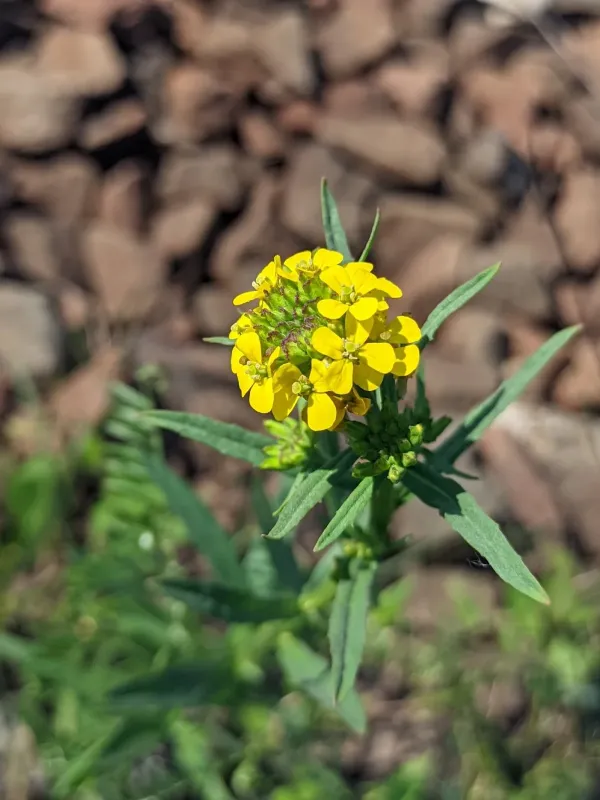
Description
Sowing dates
Sowing of Erysimum hieraciifolium typically occurs in early spring, as soon as the soil reaches a temperature suitable for germination. A fine, well-prepared seedbed is essential for this species due to its very small seeds.
Row spacing should be maintained at 30 to 45 centimeters to ensure optimal light penetration and ease of maintenance. This spacing is also crucial for preventing disease outbreaks by ensuring adequate air circulation around the plants.
The seeds should be sown at a shallow depth of 1 to 2 centimeters. Because they are light-dependent for germination, burying them too deeply will significantly decrease the germination rate and result in a sparse crop stand.
After sowing, rolling the soil surface is a recommended practice. This technique secures the seeds in place and improves the capillary movement of soil moisture, which is vital during the critical first two weeks of development.
Autumn sowing is an alternative for regions with mild winters. In such cases, the seeds benefit from cold stratification, leading to more vigorous growth in the following spring as the plant transitions to its second year.
Growing requirements
Erysimum hieraciifolium is a member of the Brassicaceae (Mustard) family. It is typically a biennial herb, spending its first year developing a basal rosette of leaves before producing a tall flowering stem in the second season.
This species thrives in full sun exposure. Sunlight is a primary factor influencing the concentration of bioactive cardiac glycosides, making sunny locations mandatory for high-quality medicinal material production.
The ideal soil conditions consist of well-drained, neutral-to-alkaline soils. Sandy loams are preferred because they prevent water stagnation, which can lead to root rot during the dormant winter period.
While the plant is quite hardy, it requires consistent moisture during its vegetative growth phase. However, as it nears the flowering stage, the plant becomes more drought-tolerant, allowing for easier management in different climates.
Nutrient requirements are moderate. Applying a balanced fertilizer high in phosphorus and potassium before planting can support robust root development and improve the plant's overall resistance to environmental stresses.
Main diseases and pests
Flea beetles are the most frequent pests affecting the early seedling stage. They can rapidly cause extensive damage to leaves, often necessitating integrated pest management approaches to protect the young plants.
The rape blossom beetle is another significant threat, specifically targeting the flower buds. Damage by this insect can drastically reduce the yield of seeds, as well as the quantity of raw material if flowers are harvested.
Downy mildew and other fungal pathogens pose risks, particularly in seasons with high humidity or poor field drainage. These diseases manifest as foliage spots, which eventually lead to plant decline and reduced medicinal value.
Clubroot is a soil-borne disease that can destroy the root system if the soil is too acidic. Maintaining a proper pH balance and implementing long-term crop rotation are the most effective strategies to mitigate this risk.
Monitoring fields for aphids is also necessary during the active growing period. Large infestations can sap plant vitality, reduce growth rates, and potentially transmit viral diseases that further diminish the final harvest quality.
Harvesting
The harvest of the aerial parts is conducted at the peak of the flowering stage. This is when the plant's secondary metabolites are most concentrated, ensuring the highest pharmaceutical quality for the resulting dry matter.
Harvesting is performed by cutting the stems at approximately 5–10 centimeters above the ground. Modern equipment allows for efficient mechanical cutting, but care must be taken to remove any soil contamination immediately.
Drying must begin as soon as possible after harvesting to prevent spoilage. Controlled heat drying at 40–45 degrees Celsius is ideal to maintain the structural integrity of the delicate glycosides within the plant tissue.
Once dried, the plant material should be stored in cool, dark, and airtight conditions. Proper storage prevents the oxidation of active components and protects the product from moisture-induced fungal contamination.
For seed production, the harvest occurs when the pods turn brown and start to mature. The plants are usually windrowed to allow for uniform drying before threshing to prevent the shattering of seeds and significant harvest losses.